On This Page
.jpg)
Tigerwood Hardwood
Distinctive Beauty
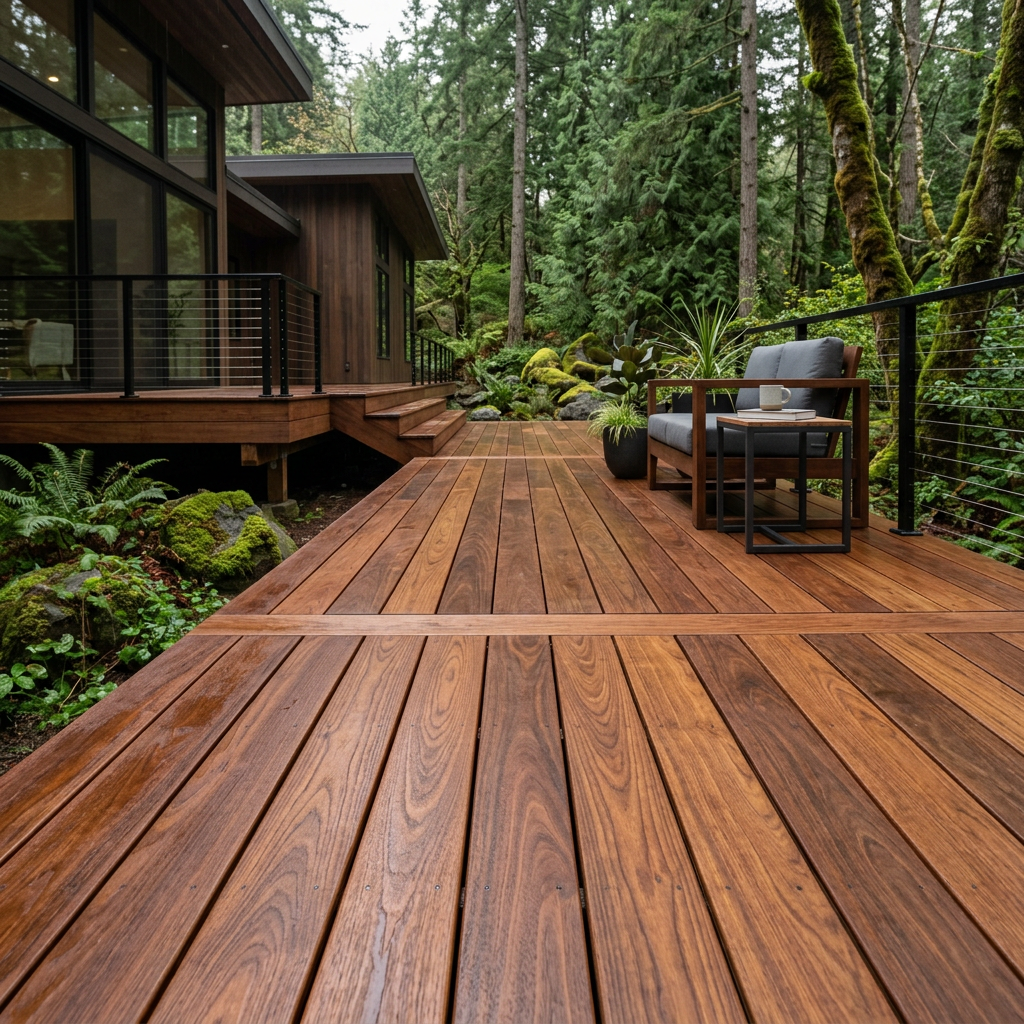
Named for its dramatic striped grain pattern, Tigerwood (Goncalo Alves) is one of the most visually striking hardwoods available. With excellent durability and unique character, it's perfect for those who want their deck to make a statement.
Janka Hardness
2,160 lbf
Fire Rating
Class A
Lifespan
Up to 40+ years
Density
54 lbs/ftÂł
What Is Tigerwood Decking?
Tigerwood, scientifically known as Goncalo Alves, is named for its dramatic striped grain pattern featuring rich orange-brown and dark brown streaks. It's one of the most visually striking exotic hardwood decking options available.
With a Janka hardness rating of 2,160 lbf, Tigerwood is significantly harder than most domestic woods and offers excellent resistance to dents and wear. The Wood Database classifies it among the most durable tropical species. While softer than Ipe, it's still highly resistant to rot, decay, and insect damage, making it a durable choice for outdoor applications.
The unique tiger-stripe pattern ensures no two boards look alike, giving your deck distinctive character. Tigerwood's deep, warm tones actually deepen with age, creating a rich patina over time.
Tigerwood Decking Prices
Tigerwood decking typically costs $5-8 per linear foot for materials, offering premium exotic hardwood aesthetics at a more accessible price than Ipe or Cumaru. This represents excellent value for a distinctive hardwood with a 40+ year lifespan.
Visit our complete pricing guide for detailed cost breakdowns and comparisons.
Tigerwood Sizes & Profiles
Tigerwood is available in multiple dimensions and profiles for decking, siding, and decorative applications:
Common Sizes
- 1x6 Tigerwood Decking - Most popular size
- 5/4x6 Tigerwood - Thicker option
- 1x4 Tigerwood - Narrow profile
- 2x4 & 2x6 - Heavy-duty applications
Available Profiles
- Square Edge (E4E) - Standard
- Pregrooved - For hidden fasteners
- Shiplap - For siding
- Custom profiles available
Why Choose Tigerwood Decking?
Stunning Appearance
Dramatic striped grain pattern with rich orange-brown and dark brown streaks
Excellent Durability
High Janka rating ensures resistance to dents and wear
Natural Resistance
Highly resistant to rot, decay, and insect damage
Unique Character
No two boards look alike - each is distinctive
Color Richness
Deep, warm tones that deepen with age
Good Value
Premium looks at a mid-range price point
Installation Tips
Installation Requirements
- Pre-drilling recommended: Tigerwood is dense but more workable than Ipe
- Stainless steel fasteners: Prevents corrosion and discoloration
- Hidden fastener systems: Use pregrooved boards for clean look
- Acclimation period: Allow 7-14 days for boards to adjust to local climate
For complete guidance, see our deck installation guide.
Maintenance & Care
Tigerwood requires minimal maintenance and does not need sealing for protection from rot or insects.
Preserving Color
To maintain Tigerwood's vibrant striped appearance, apply a UV-protective oil annually. Without treatment, it will naturally fade to a uniform gray while remaining structurally sound.
Cleaning
Clean with hardwood deck cleaner or mild soap and water. Pressure washing on low setting is safe for deeper cleaning.
Shop Popular Tigerwood Sizes
Browse our most popular Tigerwood products for distinctive decking projects
1x6 Tigerwood Decking
Most popular size
View Products5/4x6 Tigerwood
Thicker commercial option
View Products1x4 Tigerwood
Modern narrow boards
View ProductsPregrooved Tigerwood
For hidden fasteners
View ProductsTigerwood Siding
Dramatic exterior cladding
View ProductsTigerwood Fencing
Eye-catching privacy fences
View ProductsImportant Considerations
Softer than Ipe
About 40% softer than Ipe, though still quite durable
Color Variation
Extreme variation between boards - embrace the uniqueness
Grain Raising
May require sanding after initial weathering to smooth grain
Frequently Asked Questions About Tigerwood
Quick answers to common questions about Tigerwood decking
Tigerwood decking typically ranges from $5-8 per linear foot, offering premium exotic hardwood aesthetics at a mid-range price point. Pricing varies based on grade and dimensions.
Tigerwood has a Janka hardness of 2,160 lbf compared to Ipe's 3,680 lbfâabout 40% softer but still very durable. The main difference is aesthetic: Tigerwood features dramatic striped grain patterns while Ipe has a more uniform appearance. Tigerwood is more affordable and easier to work with.
Common Tigerwood sizes include 1x4, 1x6, 5/4x6, 2x4, and 2x6. Available in square edge (E4E), pregrooved for hidden fasteners, and custom milling profiles.
Tigerwood does not require sealing for structural protection. However, applying a UV-protective oil annually helps maintain its vibrant striped color. Without treatment, it will naturally fade to gray while remaining durable.
Tigerwood can last 40+ years outdoors with proper installation and minimal maintenance. Its natural resistance to rot and insects ensures long-term performance.
The distinctive tiger-stripe pattern comes from alternating layers of light and dark wood fibers that grow naturally in the tree. This creates the dramatic striped effect that makes each board unique. No two boards are identical.
Yes. Tigerwood's striking appearance makes it popular for accent walls, siding, and architectural features. It's available in shiplap and rainscreen profiles for exterior cladding.
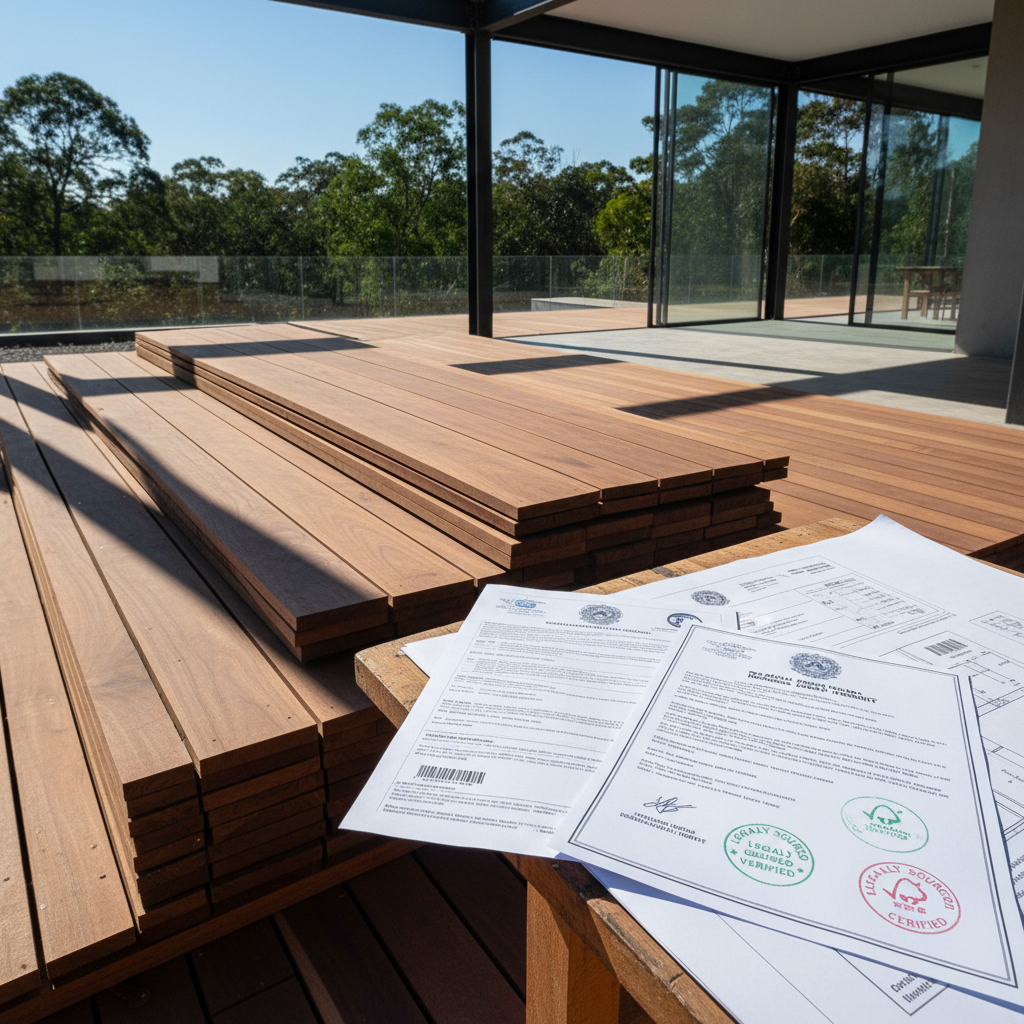
Yes. We responsibly, legally, and ethically source all our material. Tigerwood (Goncalo Alves) is harvested from managed forests in South America. Note: We are not FSC certified.
Tigerwood by Application
Learn why Tigerwood excels for decking, siding, and fencing projects.
Tigerwood Decking
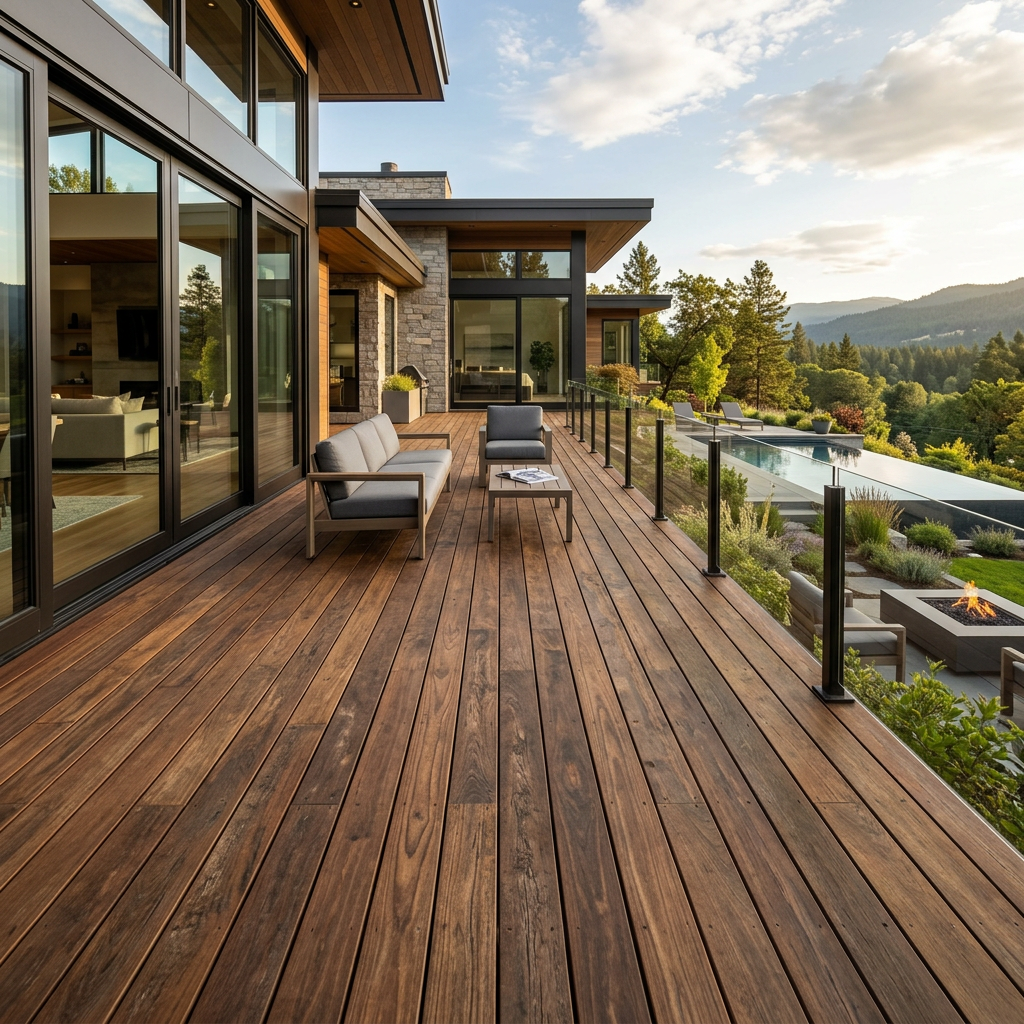
Tigerwood decking is the choice for homeowners who want their outdoor space to make a bold visual statement. Its dramatic striped grain patternâalternating rich orange-brown and dark brown streaksâmakes every board unique. With a Janka hardness of 2,160 lbf, Tigerwood is significantly harder than domestic hardwoods and most composites, providing excellent scratch and dent resistance for residential decks. Tigerwood is naturally resistant to rot, decay, and insects, and it carries a Class A fire rating. Its warm tones actually deepen with age, creating a richer appearance over time. Available in eased-edge and pregrooved profiles, Tigerwood decking works with both face-screw and hidden fastener installation methods.
Explore all decking optionsTigerwood Siding
Tigerwood siding creates a stunning exterior accent that no other material can replicate. The distinctive striped grain pattern draws the eye and adds architectural interest to modern and contemporary designs. Available in shiplap and rainscreen profiles, Tigerwood cladding provides natural weather protection while delivering a truly unique aesthetic. Its natural resistance to rot and insects means the dramatic appearance lasts for decades. Many architects use Tigerwood siding as a feature elementâcombining it with other materials for contrastâon facades, entryways, and covered outdoor areas.
Explore all siding optionsTigerwood Fencing
Tigerwood fencing turns a functional privacy barrier into an eye-catching design feature. The dramatic striped pattern creates a fence that looks custom-built and high-end. With a Janka hardness of 2,160 lbf, Tigerwood fence boards resist dents, rot, and insect damage far longer than cedar or pressure-treated alternatives. Each board's unique grain pattern means your fence will have natural variation and character that improves with age. For homeowners who view their fence as part of their landscape designânot just a boundaryâTigerwood is an exceptional choice.
Explore all fencing options.png?width=140&quality=70)