.png?width=180&quality=75&format=webp)
Ipe Timber Cracking (Checking): What's Normal and How to Reduce It
Ipe is one of the densest hardwoods in the world. Because of that density, it is common for larger Ipe timbers and beams to develop surface cracks called checking. Checking happens as wood naturally dries and equalizes moisture—especially in thick stock where the outer surface dries faster than the core.
In most cases, checking is normal, cosmetic, and does not reduce structural integrity.
Quick Summary
- •Most surface cracking (checking) is normal in large Ipe timbers
- •Kiln drying can reduce checking, but cannot eliminate it entirely
- •End sealing after cuts is the best way to reduce end cracking
- •Only certain crack types may indicate a quality issue
Tip: You can always ask for photos of your actual timbers before purchasing.
Quick Answers
Normal vs Concerning Cracks
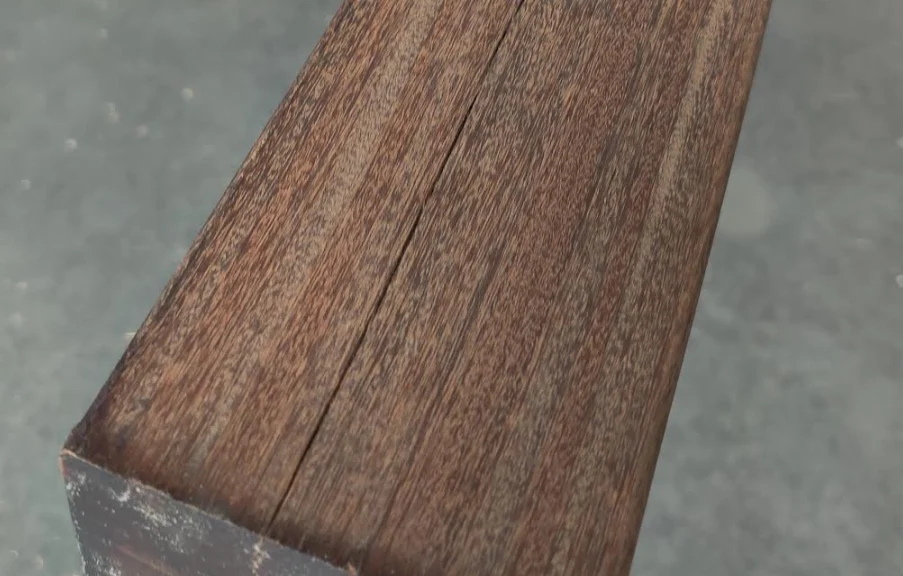
Example of typical surface checking in large Ipe timber
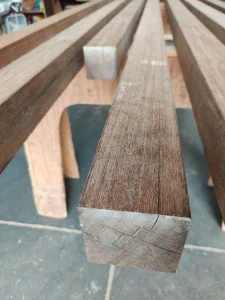
Multiple timbers showing common end grain checking
Normal Checking
- ✓Surface-level cracks along the grain
- ✓Common in large hardwood timbers
- ✓Cosmetic in most applications
- ✓Often stabilizes as moisture equalizes
Concerning Cracks
- !Splits fully through the timber
- !Unusually wide cracks creating weak points
- !Structural or load-bearing concern
- !Cracking beyond typical tolerance for your use case
What Causes Cracking in Large Ipe Timbers?
Cracks in Ipe timbers occur due to uneven moisture loss. As explained in the Engineering Toolbox's guide on moisture movement in wood, the outside of a timber dries first and begins to shrink, while the core retains moisture longer and shrinks later. This difference creates internal tension. Checking appears as the wood releases that tension.
Because Ipe is exceptionally dense, it dries more slowly than softer woods, and this uneven drying is more pronounced in larger timbers.
- →Outer surface dries first
- →Core dries slower
- →Shrinkage mismatch creates tension
- →Checking releases that stress
When Cracking Is a Quality Issue
Although most checking is normal, some crack types may indicate a defect or performance concern depending on how the timber is being used.
Consider it a quality issue if:
- ✗A crack runs fully through the timber
- ✗Cracks are unusually wide and create a weak point
- ✗Cracks compromise load-bearing performance
- ✗The timber is being used in a highly visible architectural application and cracking is excessive
Best Practices to Minimize End Cracking
Seal End Grain Immediately After Cuts
End grain releases moisture much faster than face grain. If you cut a timber, seal the ends as soon as possible—ideally within 24 hours. This is the single best practice for reducing end checking and splitting.
Store Timbers Correctly
Keep timbers off the ground, supported evenly, with airflow around them, and protected from standing water. Proper storage reduces moisture shock and minimizes checking.
Allow for Acclimation
When possible, allow timbers to acclimate to jobsite conditions before installation. This helps reduce sudden moisture swings that can increase checking.
Pro Tip: If timbers are being installed in a dry climate after being stored in a humid environment, checking is more likely.
How to Reduce the Appearance of Timber Cracks
Most customers either leave checking as-is or reduce visibility cosmetically.
Options:
- 1.Sanding – Softens edges; rarely removes checking completely
- 2.Exterior-rated wood filler – Cosmetic; may require maintenance
- 3.Leave as-is – Common on structural applications
Note: Fillers may need maintenance because wood continues to move seasonally.
What to Expect Over Time
Because wood is a natural material, it will continue to respond to outdoor exposure and seasonal humidity swings. Checking may increase in dry seasons, stabilize as moisture equalizes, and become less noticeable after weathering and finishing.
Photos Available Before Purchase
If you would like to confirm appearance before ordering, you can always ask for photos of your actual timbers before purchasing. Just reach out to our team and we'll be happy to help.