.png?width=180&quality=75&format=webp)
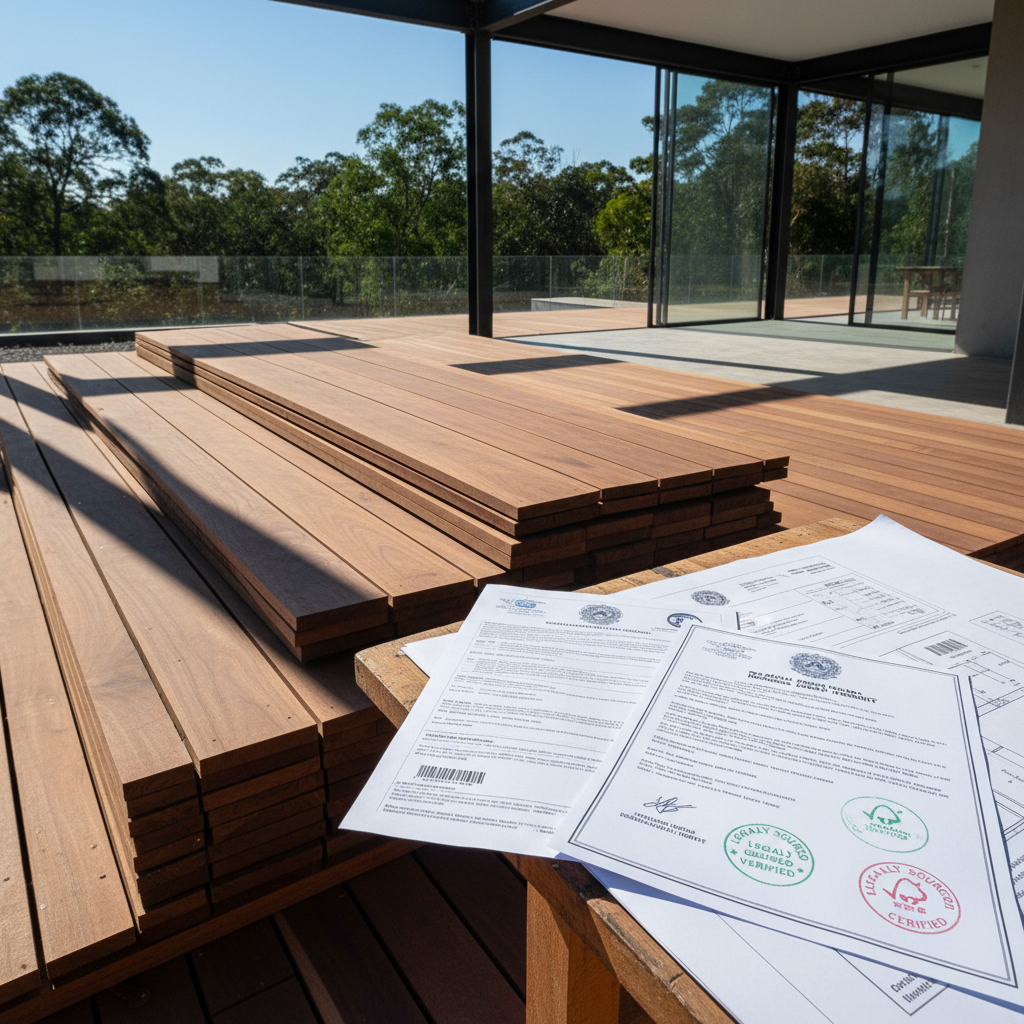
How to Verify Your Ipe Is Legally Sourced
Learn how to verify that your Ipe wood is legally sourced, ensuring sustainable and responsible practices in your decking, siding, and fencing projects.
Introduction
When investing in premium Ipe wood for your next project, ensuring that your materials are legally sourced is crucial. By verifying the legality of your Ipe, you not only adhere to legal standards but also support sustainable practices and conservation efforts in tropical forests. In this guide, we will detail effective steps to verify the legality of your Ipe wood and highlight key considerations along the way.
Quick Summary
- Always request documentation for your Ipe wood.
- Look for certifications from recognized organizations.
- Speak with suppliers about their sourcing policies.
- Check for chain of custody documentation.
- Understand the differences between sustainable and illegal logging practices.
What It Is / Definitions
Legally sourced Ipe wood comes from trees that are harvested according to local and international laws. This ensures sustainable forestry practices are followed and that the habitat is not unfairly exploited.
Some commonly referred terms related to Ipe sourcing include:
- Sustainable forestry: A method of harvesting that meets the needs of the present without compromising the health of future generations.
- Chain of custody: Documentation tracking the origin of the wood from the forest to the retailer.
- Certifications: Verifications from organizations like the Forest Stewardship Council (FSC) that attest to sustainable practices.
Best Use Cases
Ipe wood is renowned for its durability and beauty, making it a top choice for:
- Decking: Both square edge boards for face-screwed installation and grooved boards for hidden fasteners are popular.
- Siding & Soffit: Ideal for installations such as shiplap and rainscreen systems.
- Porch Flooring: Tongue & groove boards are perfect for covered applications.
- Fencing: Square edge boards provide a reliable, aesthetically pleasing option.
Clear Pros
Using legally sourced Ipe wood ensures:
- Environmental Sustainability: Supports responsible forestry practices that protect ecosystems.
- Legal Compliance: Reduces the risk of penalties associated with illegal timber trade.
- High Quality: Legally sourced wood is often subject to strict quality checks, providing better performance.
Clear Cons and Limitations
While there are significant benefits, there are also some challenges:
- Higher Costs: Legally sourced wood can be more expensive due to sustainable practices.
- Complex Documentation: It may involve navigating complex supply chains and documentation requirements.
- Limited Availability: Sometimes, certain grades or types may not be readily available.
Installation Considerations
When working with Ipe, be aware of its characteristics:
- Weight: Ipe is heavy, requiring proper framing and support.
- Density: This hardwood is dense and can be challenging to cut; use appropriate tools and techniques.
- Expansion & Contraction: Allow for proper spacing between boards to accommodate potential movement with temperature and humidity changes.
Common Mistakes and How to Avoid Them
Many installations fail due to improper practices. Common mistakes include:
- Incorrect Fastener Selection: Always use stainless steel or other corrosion-resistant fasteners to prevent staining.
- Inadequate Ventilation: Ensure proper airflow under decks for moisture mitigation.
- Ignoring Documentation: Skip the hassle; always verify and keep documentation for your wood source.
Cost Considerations
Pricing varies widely based on legality, quality, and supplier:
- Pricing Range: Expect to pay a premium for certified, legally harvested Ipe compared to non-certified options.
- Long-term Investment: While initial costs are higher, the longevity and durability of Ipe often justify the expense.
Maintenance and Longevity
Legally sourced Ipe wood can last over 25 years with proper care:
- Routine Cleaning: Regularly clean your Ipe wood to prevent buildup of dirt and grime.
- Finish Treatments: Consider oils or sealants to minimize color fading and deterioration over time.
Real-world Recommendations
If purchasing Ipe, here’s what we would advise:
- Choose Suppliers Wisely: Work with reputable suppliers who are transparent about their sourcing practices.
- Get Everything in Writing: Request certificates and paperwork that prove the origin of your wood.
- Compare Options: Look into different grades and types of Ipe decking, such as grooved and square edge options, to find the best fit for your project.
FAQ Section
How do I know if my Ipe is legally sourced?
Request documentation from your supplier, including certification from recognized bodies like the FSC.
What certifications should I look for?
Look for certifications from the Forest Stewardship Council (FSC) or similar organizations.
Why is it important to verify the legality of Ipe wood?
Using illegally harvested wood can lead to legal issues and contributes to deforestation.
Can Ipe wood be recycled or repurposed?
Yes, Ipe wood can be repurposed for other projects, maintaining its value as a durable material.
Conclusion
Verifying that your Ipe wood is legally sourced is essential for environmental responsibility and legal compliance. By following the guidelines in this post and investing in sustainability, you can ensure your project not only meets your aesthetic needs but also contributes positively to the planet. For high-quality, legally sourced Ipe, feel free to request a quote for your project or shop for grooved decking options.
Keep Your Deck Looking Its Best
Shop our recommended oils, cleaners, and finishing products for hardwood deck care.