.png?width=180&quality=75&format=webp)
The Story of Ipe Wood
Where Does Ipe Wood Come From?
The world's most durable hardwood, born from the ancient rainforests of South America
From Rainforest to Refined
Ipe wood emerges from the heart of tropical ecosystems, where centuries of evolution have crafted the ultimate hardwood—a material so dense it sinks in water, so durable it outlasts steel.
Native Origins
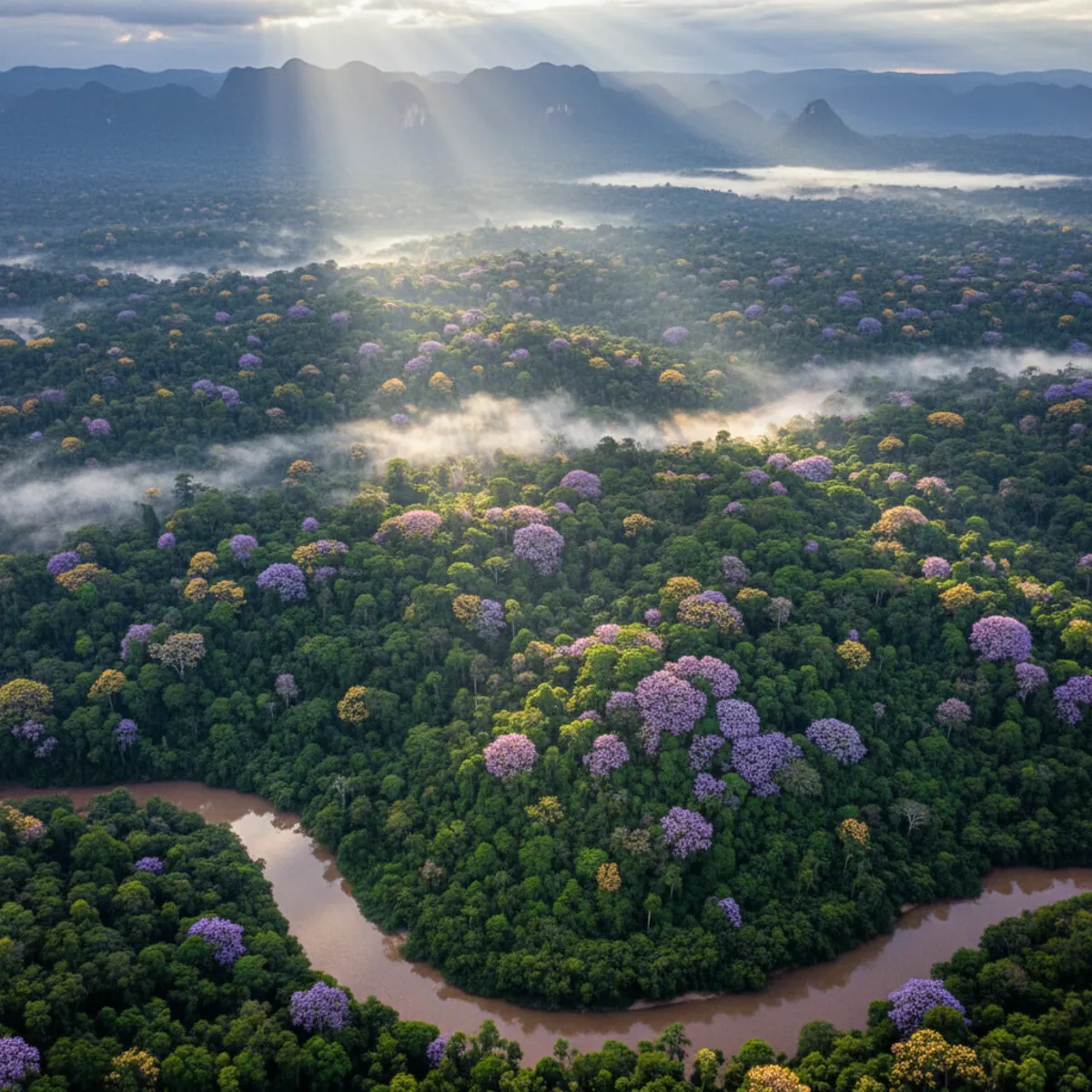
Ipe, pronounced "E-pay," is a magnificent hardwood that traces its roots to the vast tropical rainforests of Brazil. This extraordinary timber grows naturally across a sweeping geographical range, from the lush Amazon basin through the varied landscapes of South and Central America.
The trees thrive in the warm, humid conditions of tropical climates, reaching impressive heights of up to 150 feet. They grow slowly over decades—sometimes centuries—which contributes to the wood's legendary density and durability.
Indigenous peoples of the Amazon have long recognized Ipe's exceptional qualities, using it for construction and medicine. The Tupi people of Brazil gave the tree its name, which has been passed down through generations along with deep respect for this remarkable species.
Native Range
Tropical Americas
- Brazil— Primary Source
- Peru & Bolivia
- Paraguay & Argentina
- Central America
- Caribbean Islands
3,680
Janka Hardness Rating
Up to 75
Year Lifespan
Class A
Fire Resistance
Unmatched Properties
Nature's engineering at its finest—Ipe's exceptional characteristics make it the gold standard for outdoor applications worldwide.
Supreme Durability
Recognized globally as the most durable and hardest species of timber, Ipe withstands extreme weather, heavy foot traffic, and the test of time without compromise.
Natural Density
With a specific gravity exceeding 1.0, Ipe is so dense it actually sinks in water—a testament to the tight grain structure developed over centuries of growth.
Naturally Resistant
Rich in natural oils that repel insects, rot, and decay. Ipe requires no chemical treatments to maintain its integrity in outdoor environments.
The Species: Handroanthus
Ipe belongs to the genus Handroanthus (formerly Tabebuia), comprising several species of flowering trees in the family Bignoniaceae. The most commonly harvested species for lumber include Handroanthus lapacho, Handroanthus impetiginosus, and Handroanthus serratifolius.
"The trees that produce Ipe lumber are the same species renowned throughout South America for their spectacular displays of golden, pink, and purple flowers—a natural wonder that transforms the forest canopy each spring."
These trees can live for hundreds of years in their native habitat, developing the dense, interlocked grain patterns that make Ipe so prized. The heartwood ranges in color from olive brown to dark chocolate, often with lighter or darker striping that adds character to finished products.
The exceptional hardness of Ipe—scoring 3,680 on the Janka hardness scale—places it among the hardest woods on Earth, more than three times harder than domestic hardwoods like oak. This remarkable density is the result of the tree's slow growth in competitive tropical environments, where only the strongest survive.
Sustainable harvesting practices have become increasingly important for preserving these magnificent trees. Organizations like the International Tropical Timber Organization (ITTO) and CITES provide frameworks for responsible trade. Reputable suppliers now source Ipe from certified forests where selective cutting and replanting programs ensure the species' continued survival for future generations.
Continue Learning About Ipe
What Is Ipe Wood?
Complete guide: properties, uses, pros & cons
How Long Does Ipe Last? (Main Lifespan Guide)
Primary guide covering up to 75 year lifespan, climate factors, and what affects longevity
Ipe Benefits & Advantages
Performance data, fire rating, hardness, durability
Ipe vs Composite Decking
Cost, lifespan, and maintenance comparison
Ipe Decking Pricing
Current per-linear-foot pricing
Decking Calculators
Estimate materials & linear feet needed