.png?width=180&quality=75&format=webp)
Unload It Once. Stack It Right. Start Acclimation Immediately.
How to combine unloading and acclimation into one organized material-handling process
Unloading Is the First Step of Acclimation
Getting exotic hardwood off the truck is only part of receiving your material. Before installation, the lumber needs to be properly stored and acclimated to jobsite conditions — positioned and stacked correctly with appropriate airflow.
Instead of unloading into a temporary pile and handling every board again later, prepare the jobsite and labor before the truck arrives. As each board comes off the truck, place it directly into the acclimation stack.
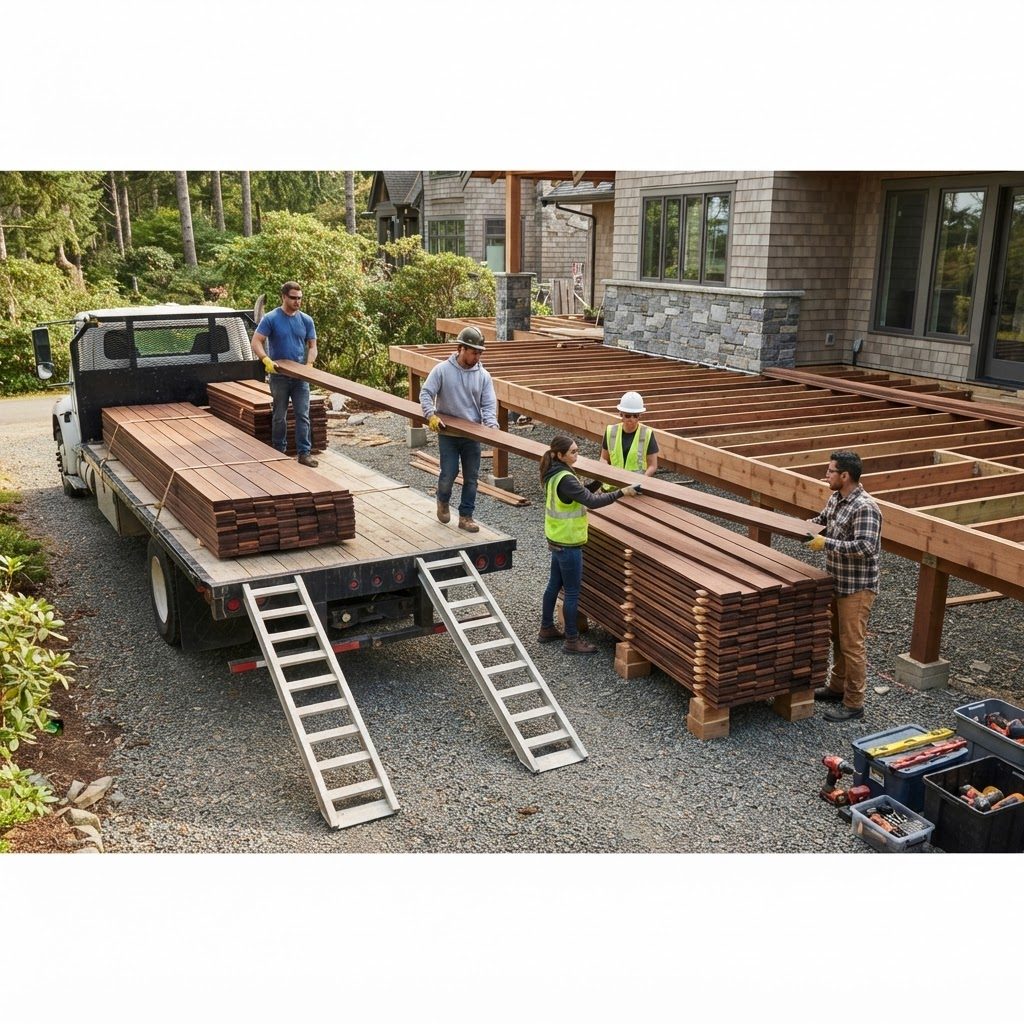
HANDLE IT ONCE.
Delivery day can also be day one of acclimation.
Every Board Has to Be Handled
Proper acclimation isn't only important on small projects. Whether a project requires 50 boards or thousands, exotic hardwood needs to be properly stored and acclimated before installation — and that requires handling the material.
The real question is whether the crew handles the boards once or twice. If lumber is unloaded into a temporary pile, the crew may later have to return, pick up those same boards, move them to the proper location, place stickers between courses and rebuild the material into proper acclimation stacks. Planning ahead allows those two jobs to become one.
Don't unload now and stack later.
Unload and stack at the same time.
Handle Once vs. Handle Twice
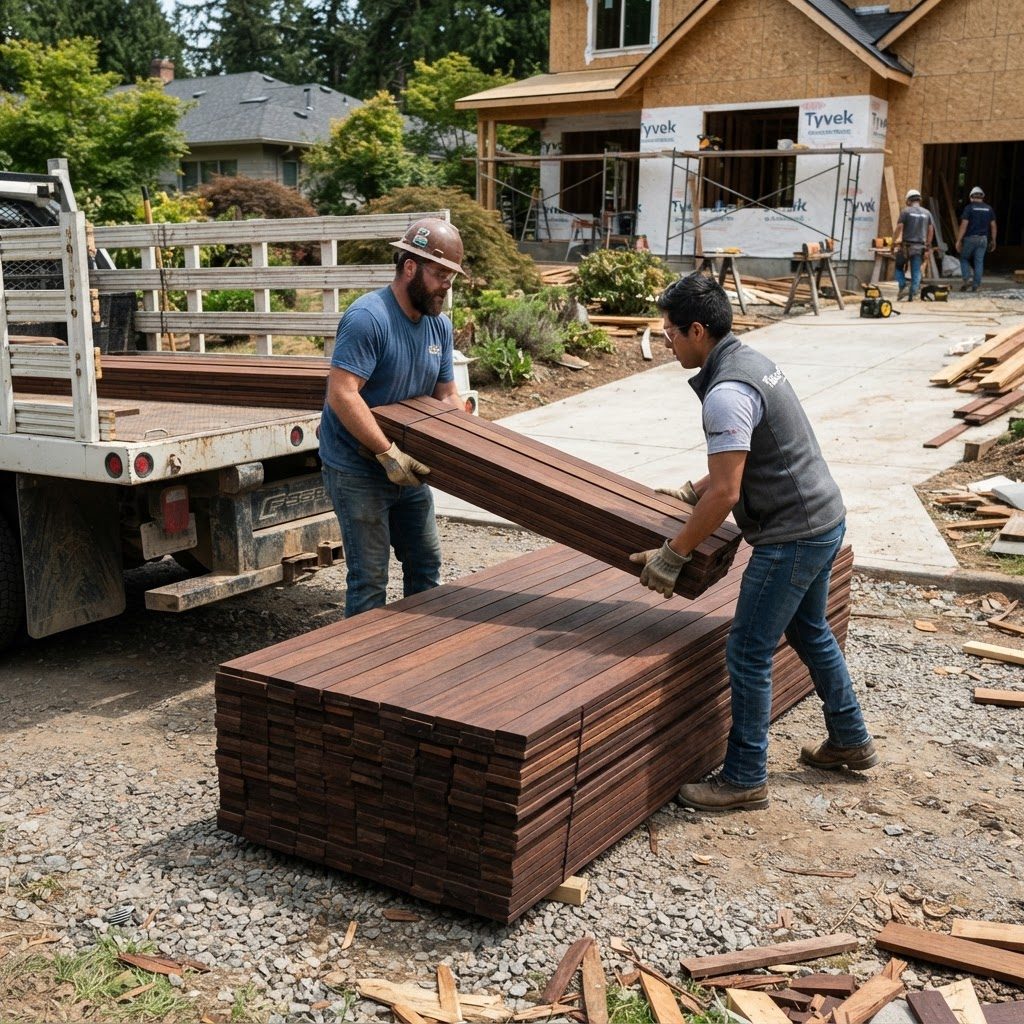
HANDLE TWICE
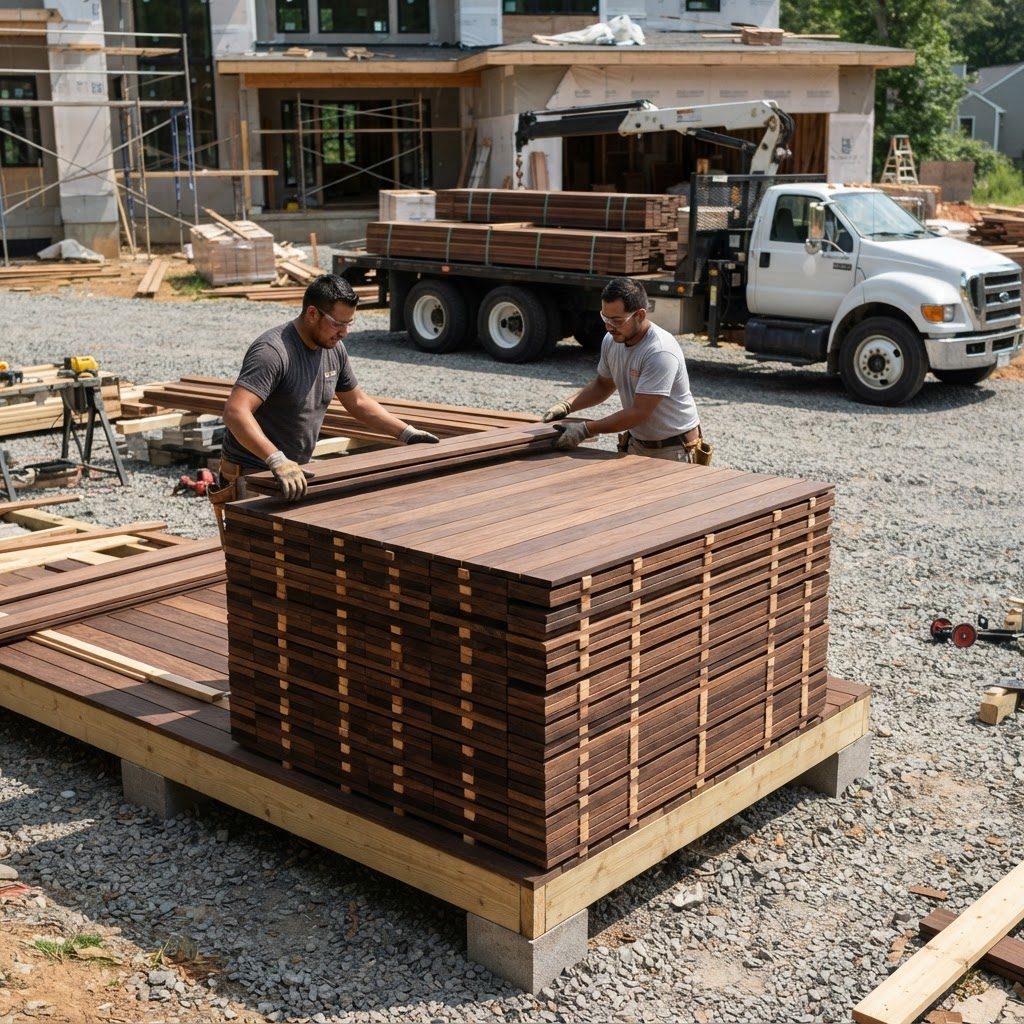
HANDLE ONCE
A Bigger Project Requires More Planning — Not Less Acclimation
Large exotic hardwood projects can involve thousands of pounds of lumber and hundreds of individual boards. Yes, unloading that amount of material is work. But the size of the project doesn't eliminate the need for proper storage and acclimation.
In fact, larger projects make delivery-day planning even more important. Have the appropriate labor onsite, prepare the acclimation area beforehand, and build multiple manageable stacks as the material comes off the truck.
"A large delivery shouldn't become a large pile that has to be dealt with later."
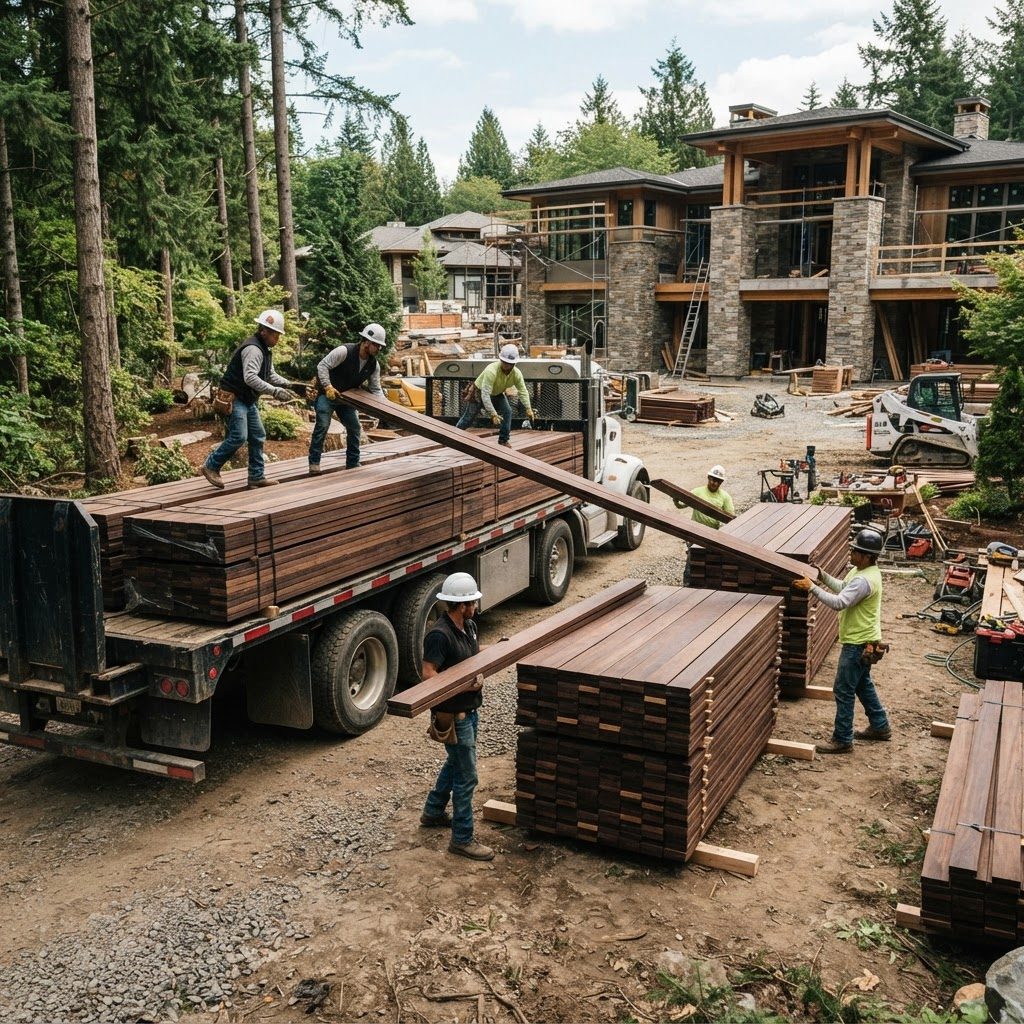
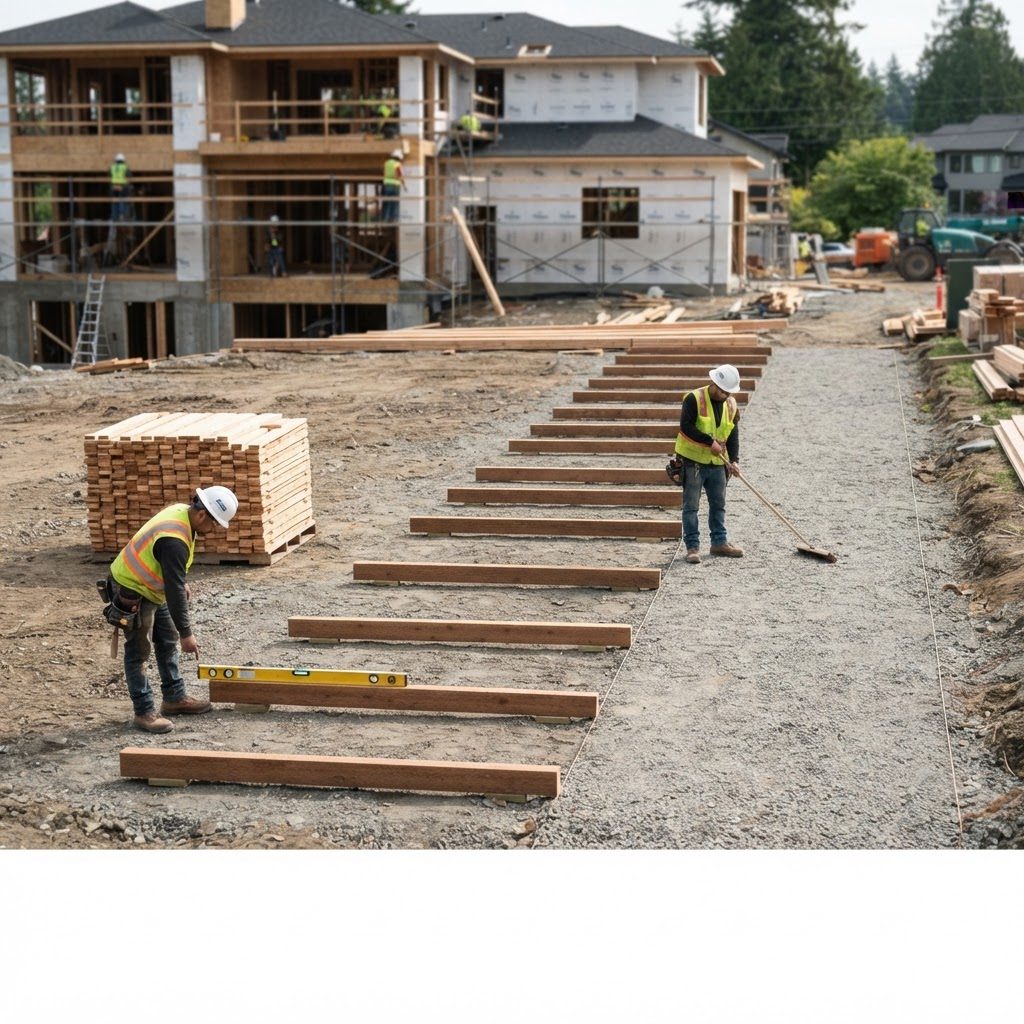
Make Delivery Day Part of the Project Plan
The easiest time to organize a large lumber delivery is before the truck arrives.
- Select the acclimation location.
- Prepare a clean and appropriate storage area.
- Have supports/blocking ready.
- Have stickers/spacers ready.
- Clear the path between the truck and storage area.
- Schedule enough labor for the quantity and lengths being delivered.
- Have appropriate protection from weather prepared.
- Review the Wood Acclimation instructions before delivery.
One Delivery, One Process
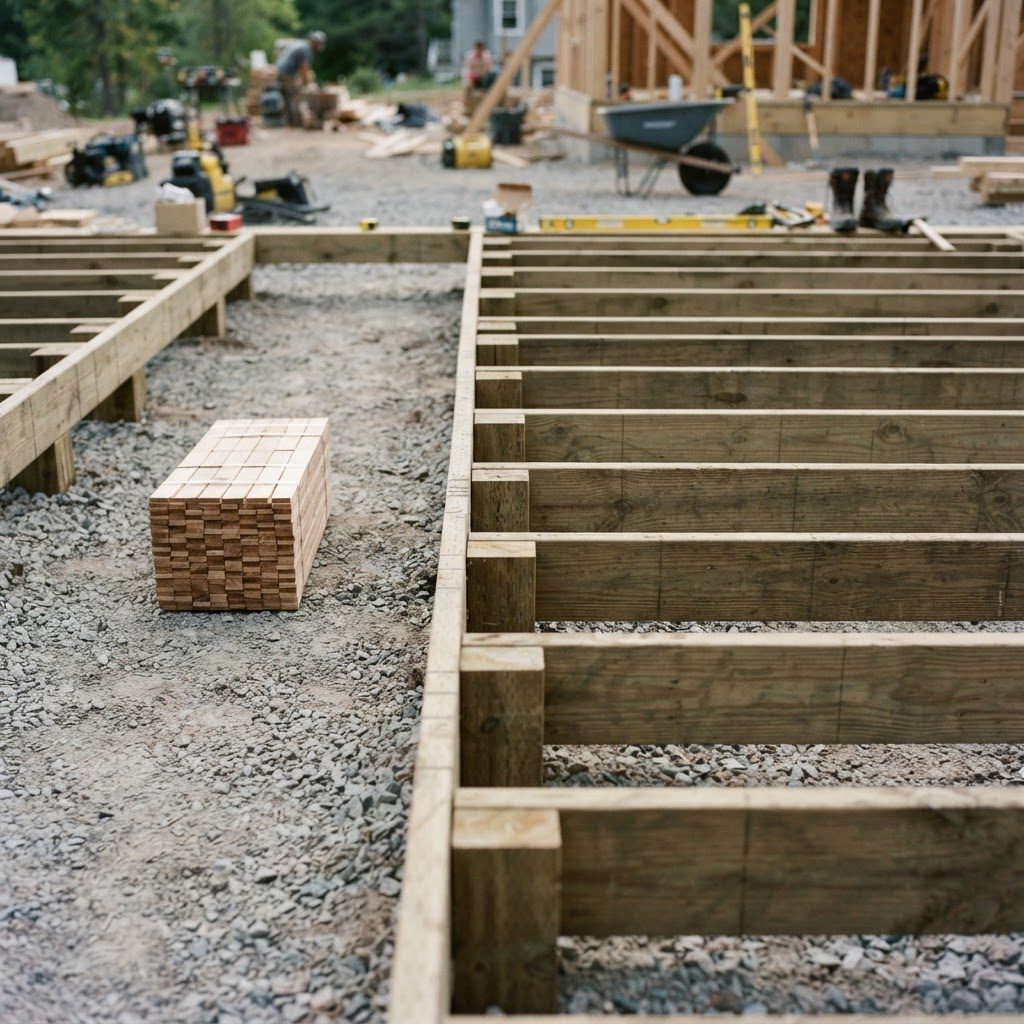
Prepare the Base
The acclimation location and supports are ready before unloading begins.
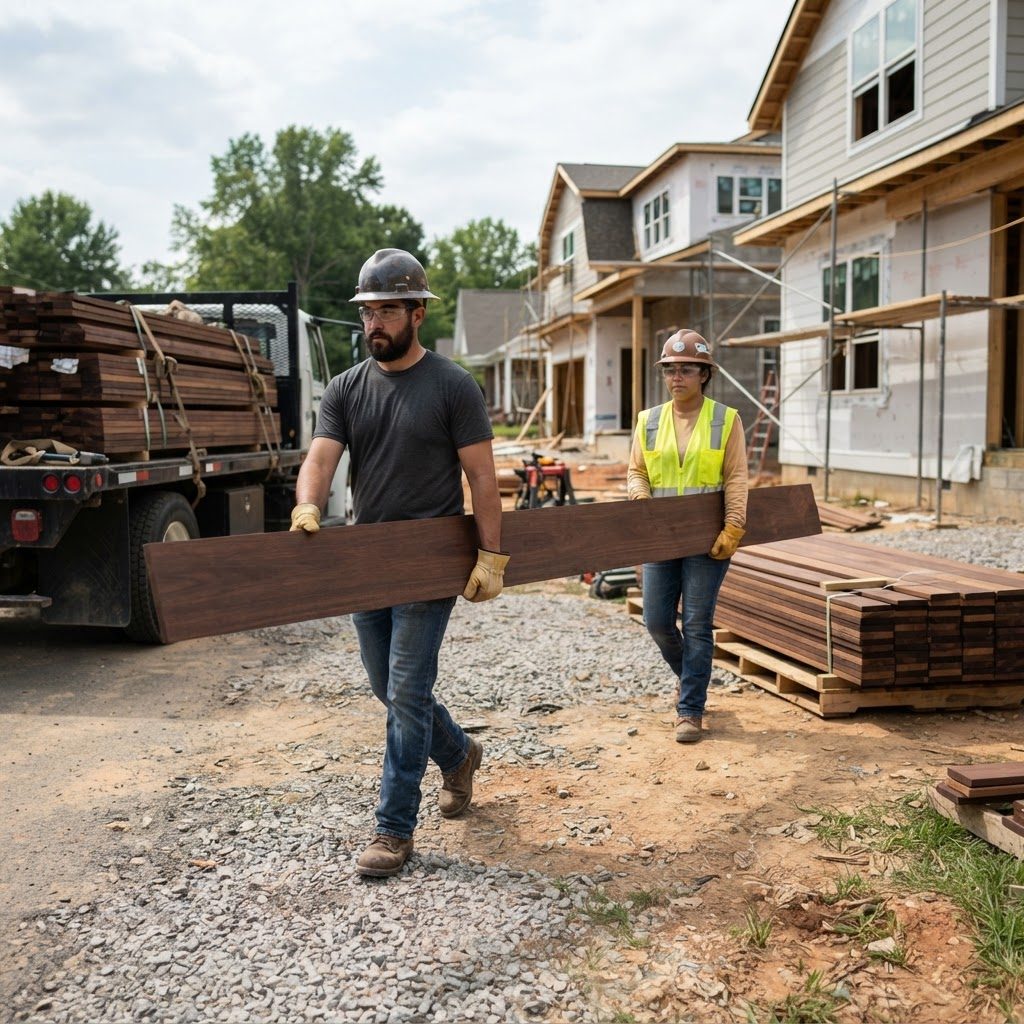
Move Boards Directly From the Truck
Boards are unloaded and carried directly toward the prepared acclimation area.
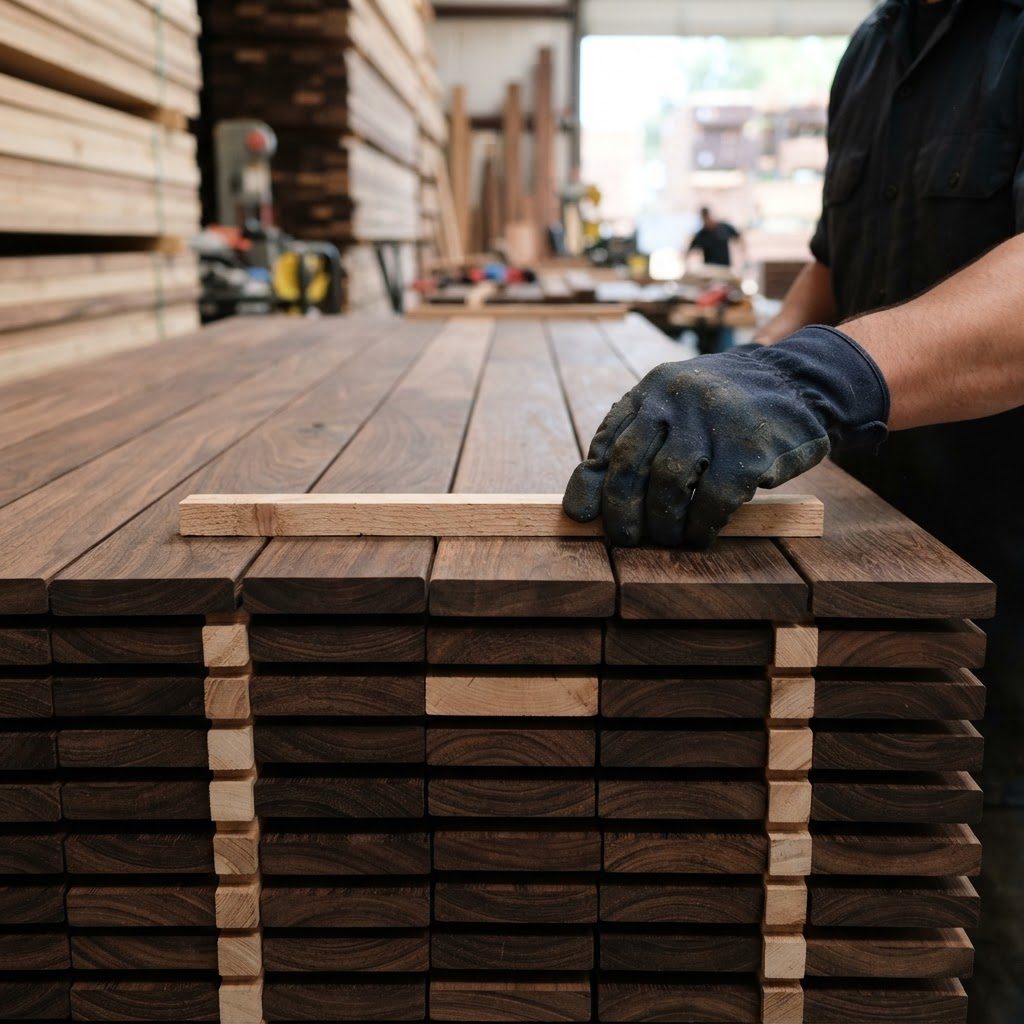
Build the Stack As You Unload
Complete a course, position the stickers/spacers, and continue with the next layer.
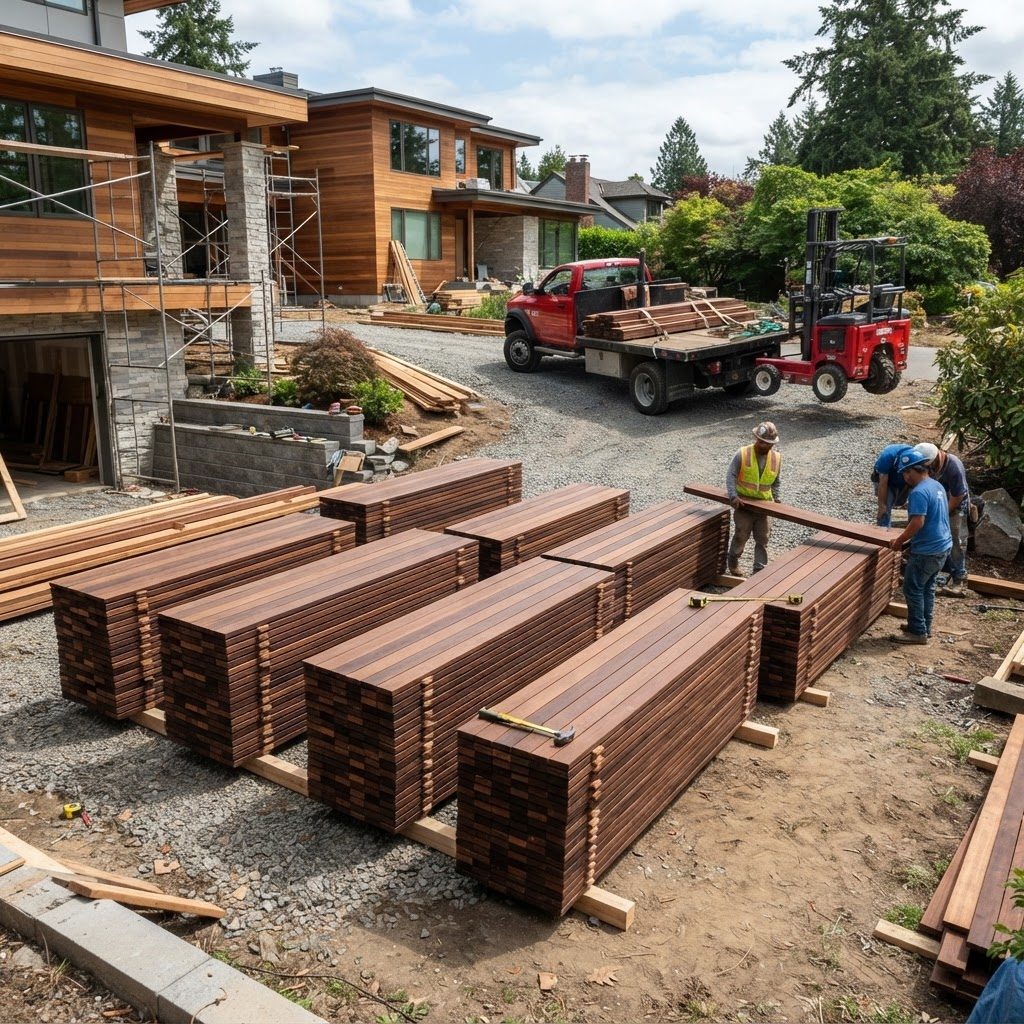
Acclimation Is Already Underway
When unloading is finished, the lumber is already properly positioned for acclimation.
Plan the Crew Around the Delivery
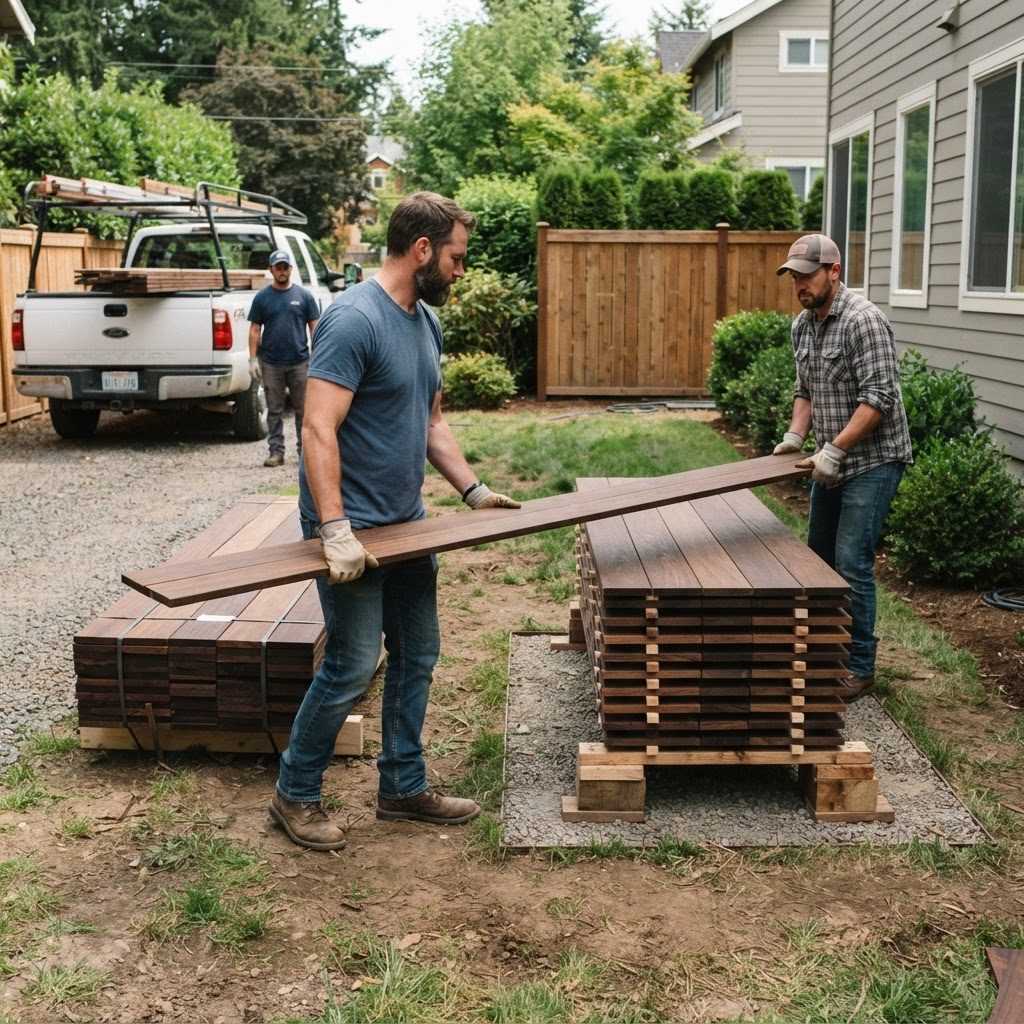
Smaller Project
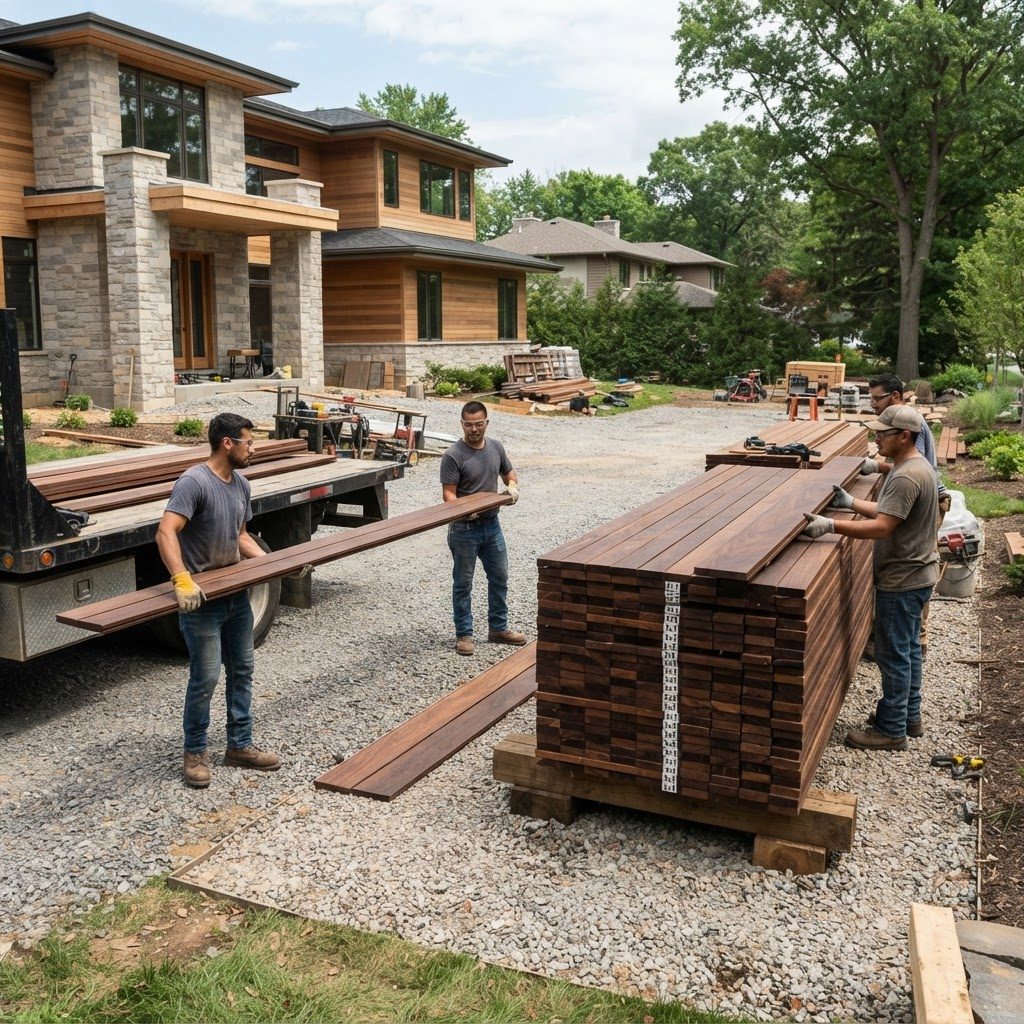
Larger Project
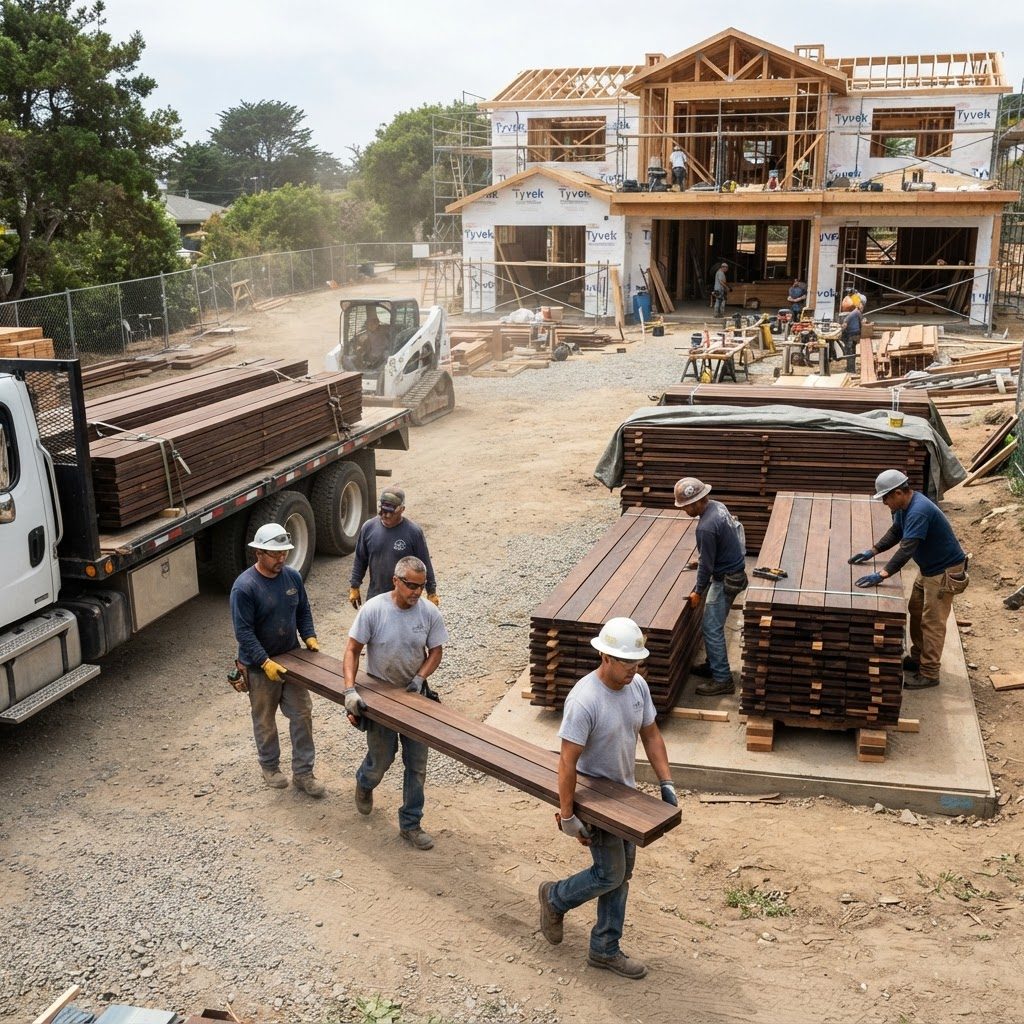
Major Project
The amount of labor required will depend on the quantity, board lengths, jobsite conditions and other factors. The principle remains the same:
Have the appropriate labor ready when the material arrives so unloading and acclimation can become one coordinated operation.
Don't Make Temporary Unloading Your Storage Plan
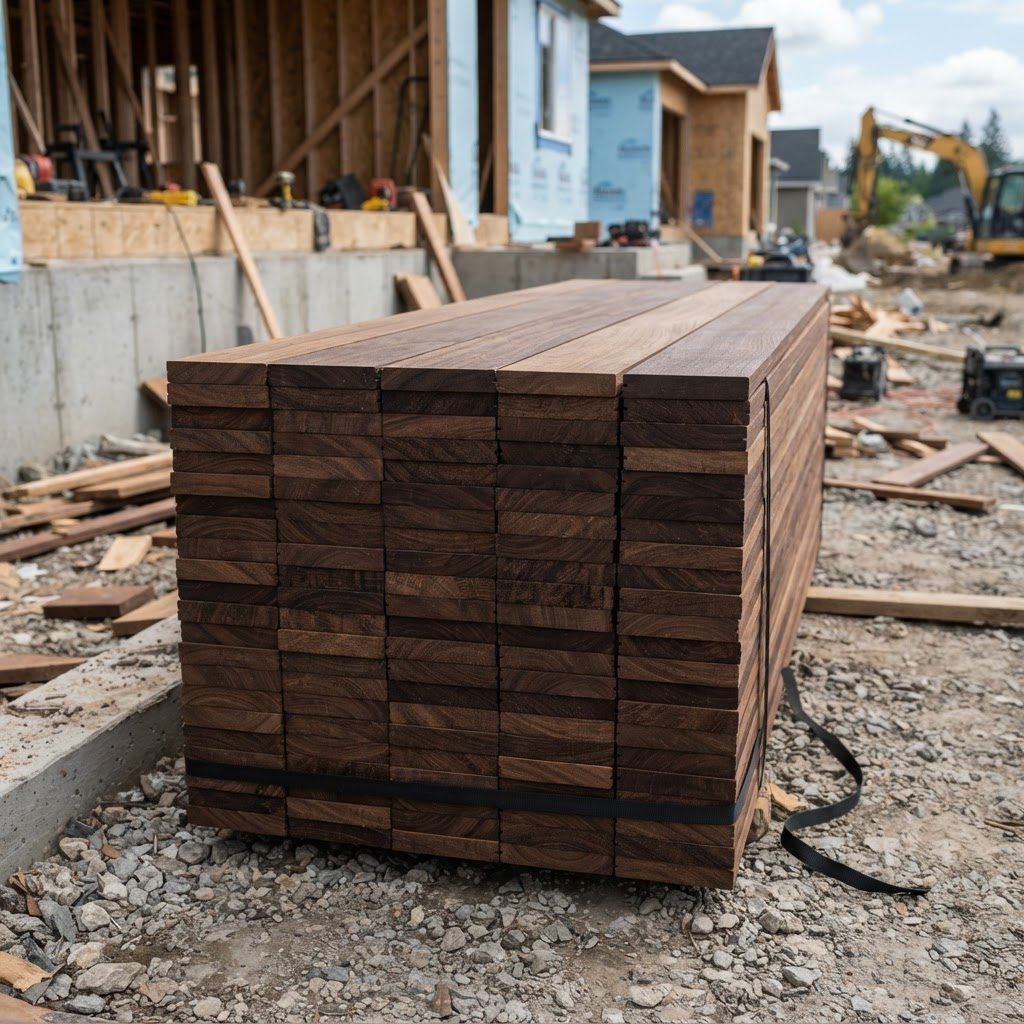
Unloaded doesn't necessarily mean properly stored.
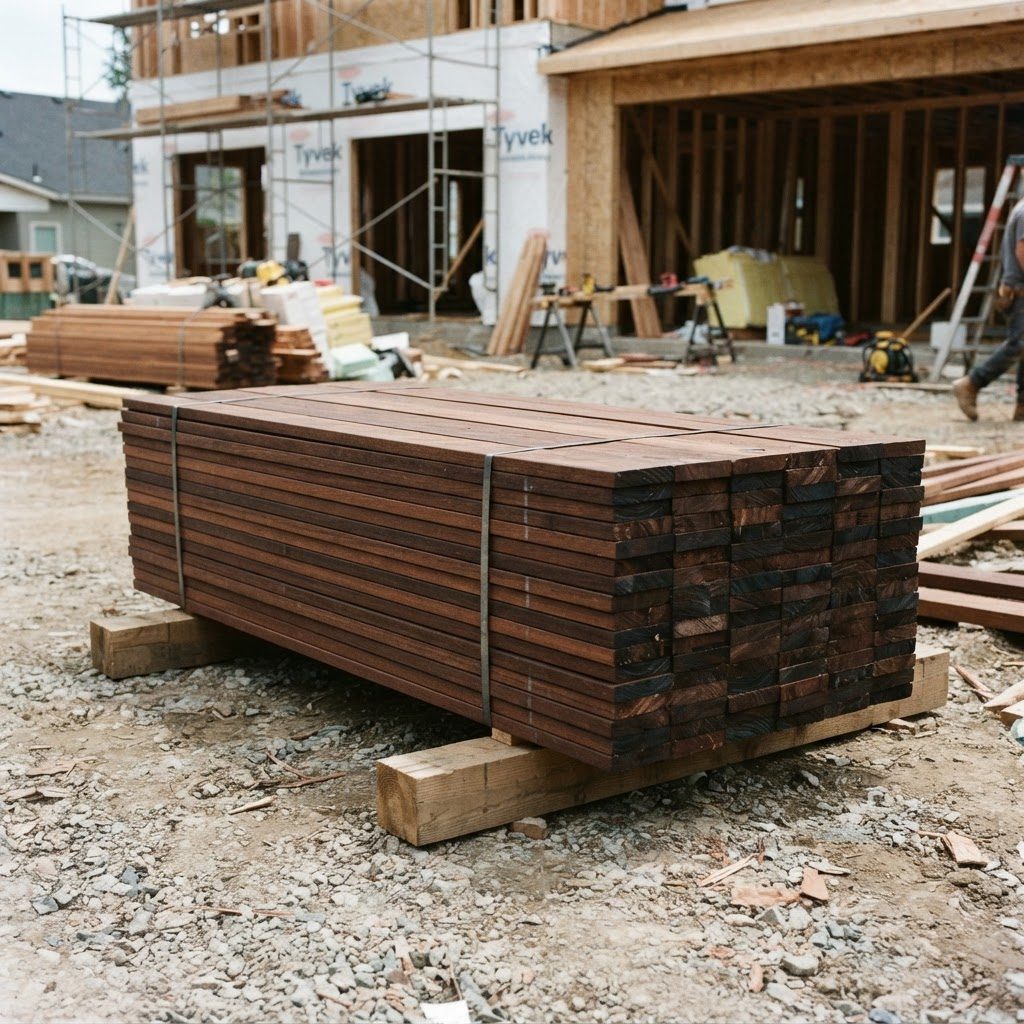
Delivery configuration isn't necessarily acclimation configuration.
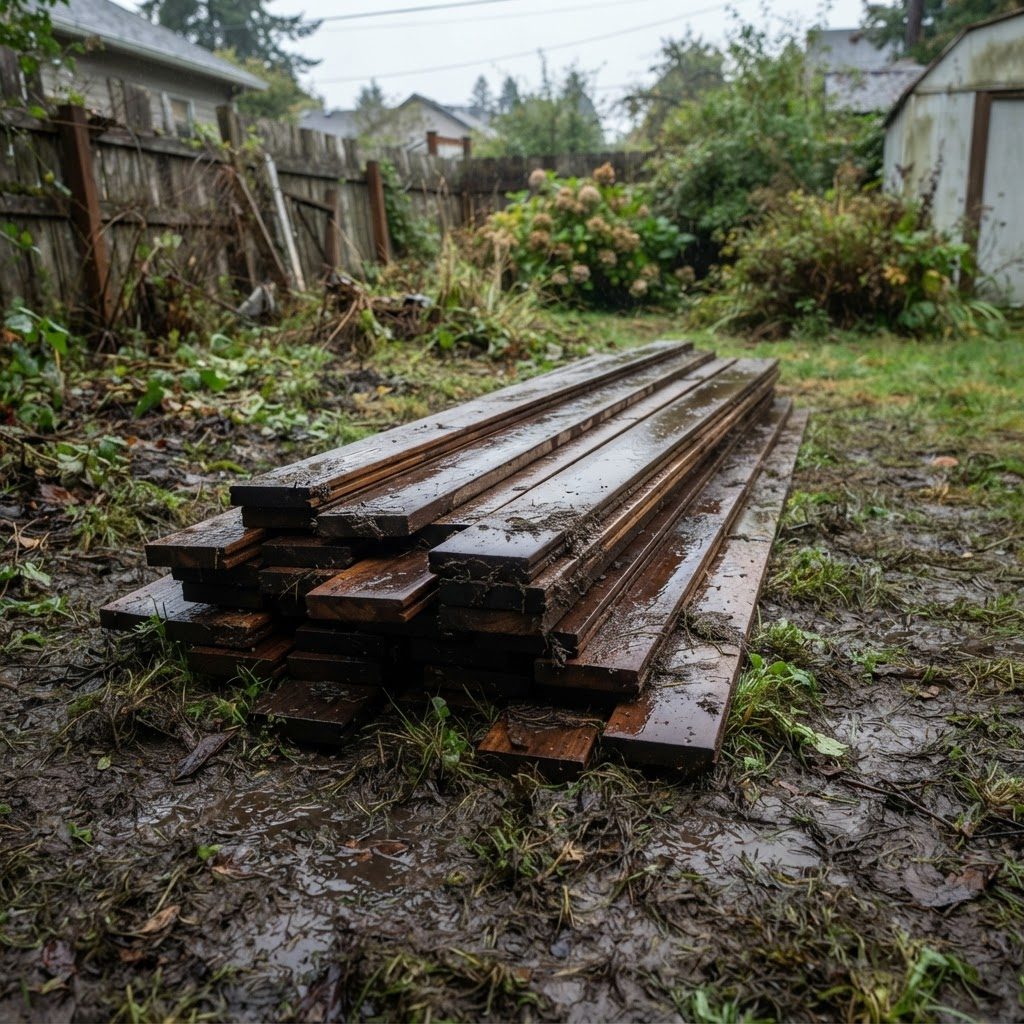
Choose and prepare the storage location before delivery.
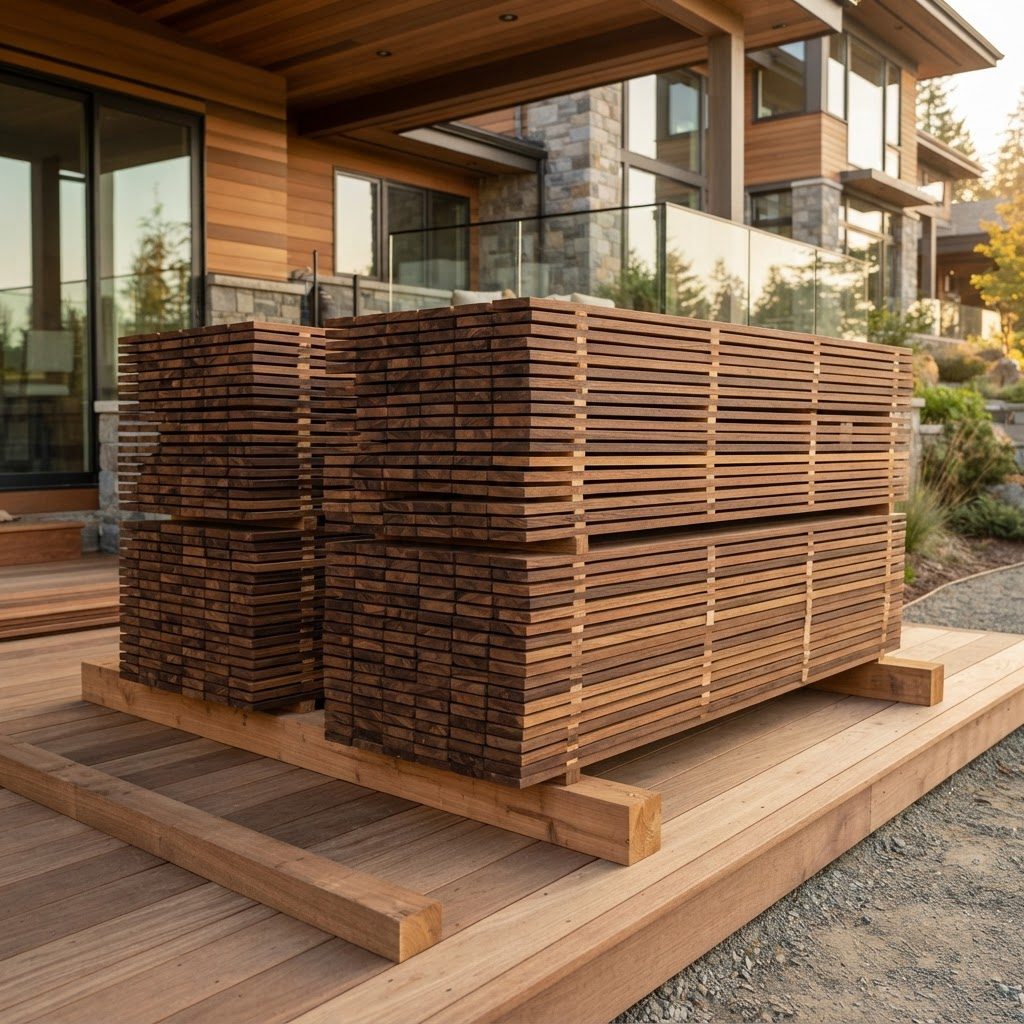
Plan the destination before the first board comes off the truck.
Do You Actually Need Specialized Unloading Equipment?
Flatbeds, forklifts, Moffett trucks and other specialized delivery options can be valuable when jobsite conditions require them. But getting a bundle off the truck doesn't eliminate the material handling required to properly prepare exotic hardwood for acclimation.
Before paying a significant premium for specialized delivery equipment solely to avoid hand unloading, consider the entire process. If the boards will need to be separated and properly stacked for acclimation anyway, it may make more sense to have the appropriate labor onsite when the truck arrives and move the boards directly into their acclimation stacks.
Don't evaluate delivery in isolation. Consider:
The most efficient solution may be the one that reduces how many times the lumber needs to be handled.
The Best Time to Start Acclimation Is Delivery Day
The delivery process doesn't have to end with a pile of lumber that your crew has to deal with later.
Prepare the site. Prepare the stickers. Prepare the crew.
Then move the lumber directly from the truck into properly prepared acclimation stacks. Handle the boards once and start acclimation from day one.