.png?width=180&quality=75&format=webp)
What Is Red Balau Wood? The Guide to This Southeast Asian Hardwood
Discover Red Balau wood, a budget-friendly Southeast Asian hardwood. Learn about its durability, best applications, and key installation tips in our comprehensive guide.
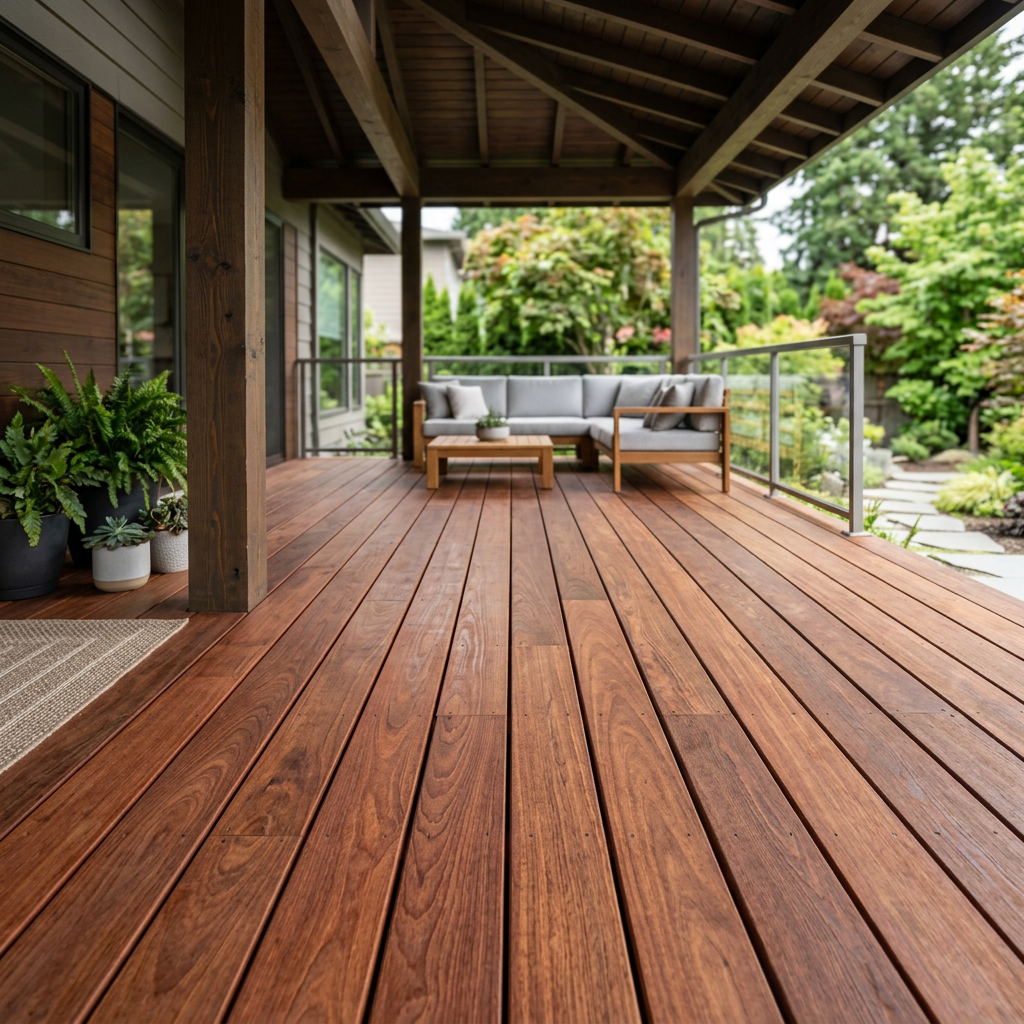
Red Balau wood, a dense and highly attractive hardwood, has gained popularity among homeowners and contractors alike for various outdoor applications. Originating primarily from Malaysia and Indonesia, this wood is characterized by its rich reddish hue and remarkable durability. Not only does it bring a warm aesthetic to any project, but it is also budget-friendly compared to some other exotic hardwoods.
In this guide, we'll explore everything you need to know about Red Balau wood, including its best applications, advantages, limitations, and installation tips.
Quick Summary
- Origin: Malaysia and Indonesia
- Features: Reddish hue, dense, and durable
- Applications: Ideal for decking, siding, porches, and fencing
- Budget-friendly compared to other hardwoods
- Considerations: Maintenance and potential expansion/contraction
What is Red Balau Wood?
Red Balau wood, scientifically classified as Shorea spp., is a member of the Shorea genus, which includes various hardwoods found mainly in Southeast Asia. This species is particularly prized for its tensile strength and moisture resistance. As a dense hardwood, Red Balau boasts a Janka hardness rating of 1,580 lbf and a density of 59 lbs/ft³, making it suitable for high-traffic areas and outdoor usage.
The wood's striking reddish brown coloration makes it an aesthetic choice for those looking to enhance their outdoor spaces with a touch of elegance.
Best Use Cases for Red Balau
Red Balau wood excels in several applications, thanks to its strength and durability. Here are some of the best use cases:
- Decking: Ideal for both residential and commercial decks. Browse our Red Balau decking options.
- Siding and Soffit: The wood's resistance to decay makes it a solid choice for exterior siding and soffit applications.
- Porch Flooring: Red Balau can be used for tongue and groove (covered use only) porch flooring, offering a combination of beauty and resilience.
- Fencing: With square edge boards, Red Balau creates sturdy and attractive fencing.
Its versatility makes it a top choice for homeowners and builders.
Pros of Red Balau Wood
Choosing Red Balau wood comes with several advantages:
- Aesthetic Appeal: The rich reddish hue adds a beautiful touch to any structure, enhancing its visual appeal.
- Durability: As a dense hardwood, Red Balau is resistant to decay, insects, and moisture, making it ideal for outdoor applications. With a Class A fire rating, it also offers excellent fire resistance.
- Affordability: Compared to other exotic hardwoods like Ipe or Cumaru, Red Balau often comes at a lower price point, providing a budget-friendly option without sacrificing quality.
- Sustainable Sourcing: Many suppliers adhere to sustainable practices when sourcing Red Balau, making it an environmentally conscious choice.
Cons and Limitations of Red Balau Wood
Despite its many benefits, there are some limitations:
- Color Variation: The natural color may vary from piece to piece, which can lead to inconsistencies in appearance if not properly selected.
- Movement and Expansion: Like all hardwoods, Red Balau can expand and contract with moisture changes, necessitating careful consideration in installation.
- Maintenance Requirements: While durable, Red Balau should be maintained regularly to preserve its color and integrity, especially when used in decking.
Installation Considerations
When installing Red Balau wood, keep these points in mind:
- Acclimation: Allow the wood to acclimate to its environment for at least a week before installation to reduce movement.
- Proper Fasteners: Use stainless steel or compatible fasteners to avoid corrosion. For decking, consider grooved (hidden fastener) options for a cleaner look.
- Joist Spacing: Adhere to proper joist spacing recommendations to ensure structural integrity, typically spacing joists 16" apart.
Common Mistakes and How to Avoid Them
To ensure a successful installation:
- Neglecting Acclimation: Skipping the acclimation process can lead to significant warping or movement. Always acclimate!
- Wrong Fasteners: Using the wrong type of fastener will not only reduce the lifespan of the wood but could also void warranties.
- Insufficient Ventilation: Make sure to allow enough space between boards to enable drainage and airflow, which helps prevent moisture buildup.
Cost Considerations
Red Balau wood is typically more affordable than premium options like Ipe decking, making it accessible for various budgets. Pricing can vary based on sourcing and availability.
- Per Board Foot Pricing: Expect competitive pricing in your quotes. Check local suppliers to compare costs.
- Installation Costs: Include installation costs in your budget. Hiring professionals may add to the overall expense but can ensure quality work.
How Does Red Balau Compare to Other Hardwoods?
Red Balau is the most budget-friendly exotic hardwood, but softer than premium species. For more demanding applications, consider Ipe decking (hardest, 75+ year lifespan), Cumaru decking (excellent durability, mid-range price), Garapa decking (light golden tone, 30+ year lifespan), Tigerwood decking (distinctive striped grain, 40+ years), or Massaranduba decking (deep red color, outstanding density).
Maintenance and Longevity
To ensure the longevity of your Red Balau wood installations:
- Regular Cleaning: Clean your decking or siding regularly to prevent dirt and mold buildup.
- Sealing: Apply a high-quality sealant annually or as needed to maintain its rich color and prevent fading.
- Inspect and Repair: Periodically inspect for any signs of damage or wear, addressing any issues promptly to preserve your investment.
- Lifespan: With proper care, Red Balau can last 40+ years.
Real-World Recommendations
Here's what we suggest regarding Red Balau wood:
- Best Application: If looking for a deck solution, go for grooved Red Balau decking for hidden fasteners to create a sleek finish.
- Color Management: To keep the wood's vibrant color, apply a UV-resistant sealant after installation.
- Consider Environment: In climates with extreme temperatures, prioritize installation techniques that accommodate potential movement.
FAQ Section
Q: What is Red Balau wood most commonly used for?
A: It is commonly used for outdoor applications including decking, siding, porches, and fencing.
Q: How durable is Red Balau wood?
A: Red Balau wood is extremely durable with a Janka hardness of 1,580 lbf, offering strong resistance to decay, insects, and adverse weather conditions.
Q: Does Red Balau wood require special maintenance?
A: Yes, it requires regular cleaning and sealing to maintain its appearance and longevity.
Q: How does Red Balau compare to Ipe wood?
A: While both are durable, Red Balau is often more affordable than Ipe but has a lower Janka hardness (1,580 vs 3,680 lbf). Ipe decking lasts 75+ years while Red Balau lasts 40+ years.
Ready to Start Your Hardwood Project?
Browse our selection of premium Brazilian hardwoods or talk to a specialist.