.png?width=180&quality=75&format=webp)
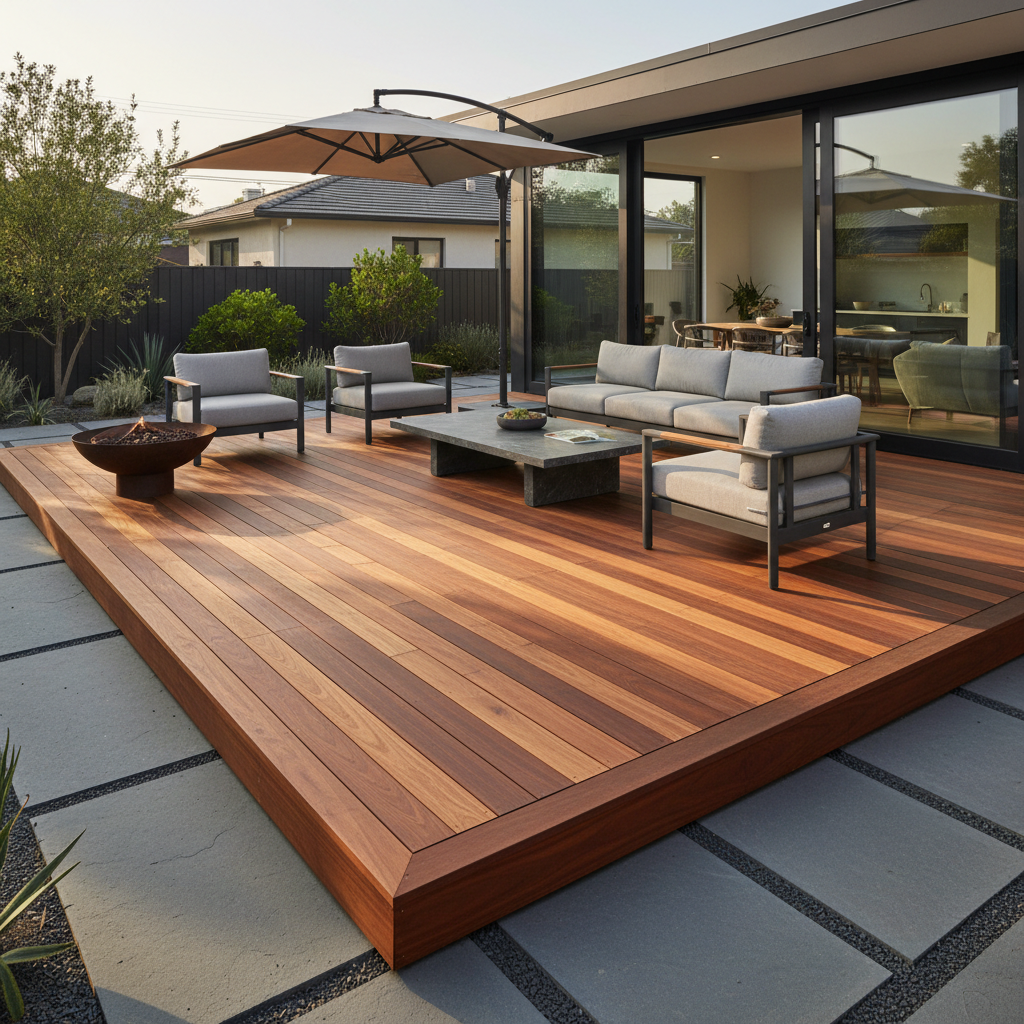
What is Tigerwood Decking: Complete Guide to Installation and Maintenance
Explore everything you need to know about tigerwood decking, its applications, benefits, installation tips, and maintenance to bring beauty to your outdoor space.
Introduction
Tigerwood decking offers a stunning aesthetic choice for outdoor spaces, recognized for its vibrant hue and durability. If you’re a DIY homeowner or a contractor seeking a premium decking solution, this complete guide will provide insights into the nature of tigerwood, its best applications, advantages, disadvantages, and essential installation tips.
Quick Summary
- Tigerwood is a premium sustainable hardwood known for its uniqueness and durability.
- Best suited for decking, siding, and outdoor applications due to its resistance to weather.
- Installation can be done using square edge boards or grooved boards with hidden fasteners.
- Requires regular maintenance to maintain its appearance and longevity.
- Generally, costs more than traditional decking options but offers superior durability.
What Is Tigerwood Decking?
Tigerwood, also known as Goncalo Alves, is an exotic hardwood primarily sourced from South America. It is celebrated for its rich colors, characterized by golden yellow to deep orange shades, often streaked with darker brown or black stripes. This striking combination not only enhances the aesthetics of the space but also contributes to the wood's sturdy nature.
As a decking material, tigerwood is typically available in two forms:
- Square Edge (Face-Screwed): Planks are installed with visible screws.
- Grooved (Hidden Fastener): These are pre-grooved for fasteners that keep them hidden, resulting in a cleaner look.
Best Use Cases
While tigerwood is versatile, its most common applications include:
- Decking: Its natural slip resistance and durability make it ideal for outdoor decks, patios, and terraces.
- Siding and Soffit: Used as shiplap and rainscreen siding, it offers an attractive, durable exterior cladding.
- Porch Flooring: Due to its stylish finish and resistance to mold, it's perfect for tongue & groove flooring in covered areas.
Pros of Tigerwood Decking
- Aesthetic Appeal: Unique natural patterns enhance the visual appeal of any outdoor space.
- Durability: Ranked high on the Janka hardness scale, it withstands impacts and resist wear effectively.
- Weather Resistance: Naturally resistant to decay and insects, making it suitable for various climates.
- Sustainability: Sourced from responsibly managed forests, promoting eco-friendliness.
Cons and Limitations
- Cost: Typically more expensive than domestic hardwoods and composite materials.
- Color Change: Without proper UV protection, tigerwood can fade from its vibrant tones to a grayish hue over time.
- Installation Complexity: Requires specific tools and expertise, especially when working with hidden fasteners.
Installation Considerations
When installing tigerwood decking, consider the following:
- Joist Spacing: Ensure joists are spaced at 16” or less to adequately support the decking.
- Acclimation: Allow the wood to acclimate to local conditions before installation to minimize shrinkage or expansion.
- Fastening: Choose appropriate fasteners and ensure they are corrosion-resistant, such as stainless steel for heightened durability.
Common Mistakes and How to Avoid Them
- Not Acclimating the Wood: Always allow the wood to adjust to moisture and temperature to reduce warping.
- Using Incorrect Spacing: Incorrect joist spacing can lead to sagging or failure over time. Stick to recommended spacing guidelines.
- Ignoring Maintenance Needs: Failing to seal or treat the wood can lead to faster weathering. Regularly inspect and treat as necessary.
Cost Considerations
The cost of tigerwood decking can vary based on several factors:
- Material Pricing: Varies by thickness, grade, and supplier. Check current pricing at ipewoods.com for the most accurate quotes.
- Installation Costs: Professional installation adds to the total project cost. DIY installation can save on labor but requires experience with hardwood.
- Maintenance Costs: Factor in the expenses for sealants and treatments to prolong lifespan, typically needed every 1-2 years.
Maintenance and Longevity
To maintain the beauty and integrity of your tigerwood decking:
- Regular Cleaning: Use a gentle cleaner suitable for hardwoods to avoid damage.
- Sealing: Apply a high-quality penetrating oil sealer annually after the first year of installation to maintain color and protection.
- Avoid Harsh Chemicals: These can damage the wood and fade colors.
With proper maintenance, tigerwood can last 25 years or more, providing a long-term investment in your outdoor space.
Real-World Recommendations
- If you prefer a natural finish, choose a penetrating oil that enhances grain while providing UV protection.
- When installing, consider using grooved decking for hidden fasteners, offering a seamless look and reducing visible wear.
- For high-traffic areas, square edge boards may provide better durability due to their solid fastening structure.
FAQ
1. How does tigerwood compare to other decking materials?
Tigerwood is more durable and resistant to rot compared to many softwoods but typically carries a higher price tag.
2. Can tigerwood decking be used in all climates?
Yes, tigerwood performs well in various climates, but proper sealing is essential in extreme UV exposure to prevent fading.
3. What maintenance does tigerwood decking require?
Regular washing and annual sealing with a penetrating oil to protect against UV damage and moisture absorption are recommended.
4. How can I install tigerwood decking myself?
Acclimate the wood, ensure correct joist spacing, use suitable fasteners, and follow installation guidelines for success.
Conclusion
Tigerwood decking is an exquisite choice for those looking to enhance their outdoor spaces with a touch of luxury and durability. Its unique appearance, combined with robust physical properties, makes it a worthwhile investment. If you're ready to elevate your decking, request a quote for your project or talk to a specialist to help guide your choices.
Plan Your Installation
Calculate materials, review fastening options, and get step-by-step installation guidance.