.png?width=180&quality=75&format=webp)
Why Some Ipe Decking Is Cheaper: Industry Insights Explained
Explore the reasons why some Ipe decking options are cheaper, understand the implications of lower-grade boards, and make informed purchasing decisions.
Why Some Ipe Decking Is Cheaper: The Real Reasons Industry Insiders Know
When it comes to Ipe decking, many homeowners and builders may wonder why some Ipe options are significantly cheaper than others. The truth is, there are various factors that contribute to price differences, most of which can be understood with a little insider knowledge. In this post, we’ll demystify budget Ipe decking and explain why lower-grade boards, mixed lengths, smaller logs, or unseasoned wood are often sold at discounted prices. This isn’t a scam; it’s simply essential for buyers to understand what they are getting before making a decision.
Quick Summary
- Budget Ipe decking options are often lower-grade boards.
- Price may reflect mixed lengths and smaller logs.
- Untreated wood or wood without proper drying time can be cheaper.
- Higher-quality decking typically performs better in the long run.
- Homeowners and contractors must weigh short-term savings against durability.
What It Is / Definitions
Ipe is a dense, durable hardwood known for its rich color and long lifespan. It has become a popular choice for outdoor decking because of its resistance to decay, insects, and harsh weather conditions. However, not all Ipe boards are created equal. Key terms to understand include:
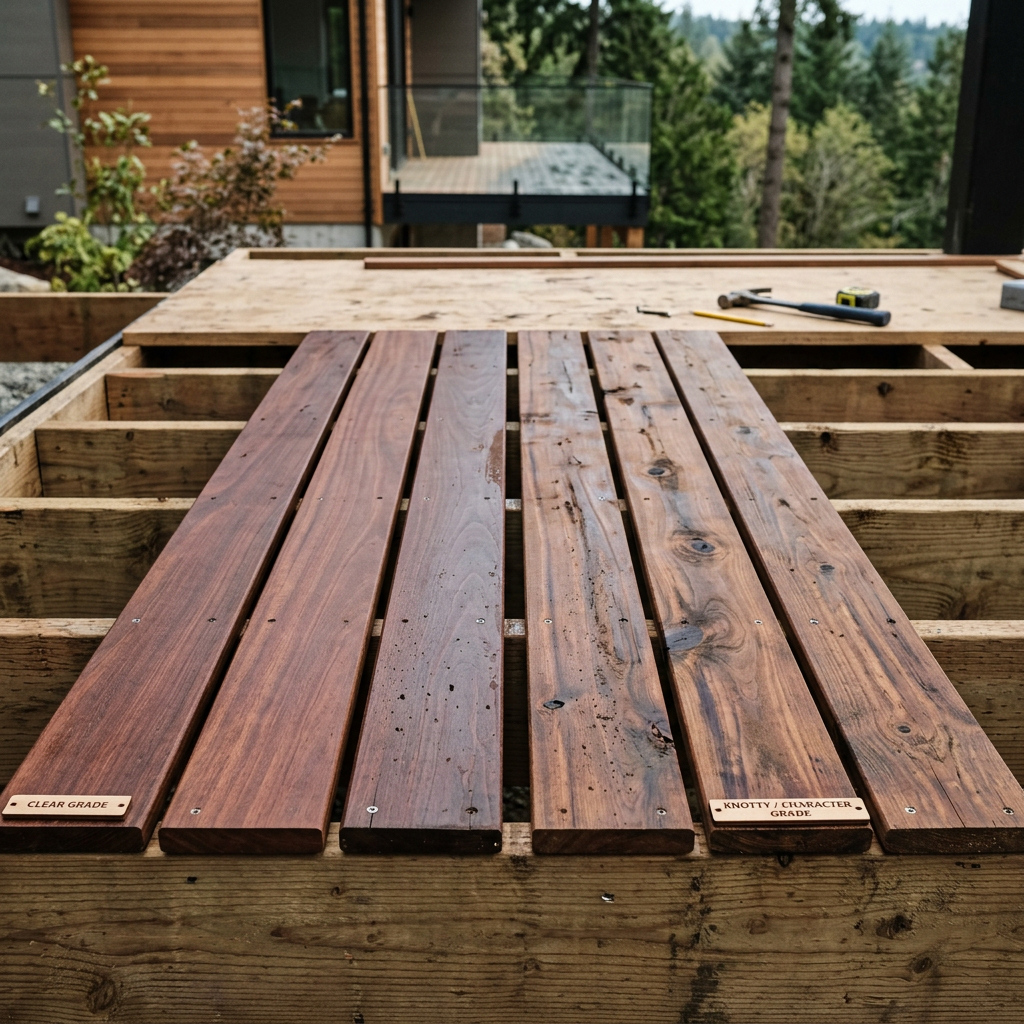
- Lower-Grade Ipe: These boards may contain visible defects, such as knots, which can affect aesthetics and performance.
- Mixed Lengths: These are boards that vary in size and are often less expensive than uniform lengths, which can complicate installation.
- Milled from Smaller Logs: Smaller logs yield shorter boards and often less desirable grain patterns.
- Sold Without Drying Time: Freshly cut wood needs to be seasoned to minimize warping and cracking, and boards sold without this process can be cheaper but unpredictable in quality.
Best Use Cases
While budget Ipe decking can be tempting, it’s not ideal for every project. Here are some instances where it may be appropriate:
- Temporary Outdoor Decks: Affordable solutions for rental properties or short-term use.
- Landscaping: Lower-grade boards can work well for decorative elements or non-load-bearing structures.
- DIY Projects: Homeowners with a budget may opt for cheaper boards if they are willing to accept possible future maintenance issues.
Clear Pros
- Affordability: The most obvious benefit is the lower initial cost, making it accessible for budget-conscious projects.
- Availability: Suppliers often have lower-grade Ipe materials readily in stock, which can reduce lead time for projects.
- Variety of Applications: Mixed lengths can sometimes suit unique landscaping and building requirements effectively.
Clear Cons and Limitations
- Reduced Longevity: Lower-grade boards may not last as long as premium ones, leading to increased replacement or maintenance costs.
- Aesthetics: The visual appearance is often compromised with knots and imperfections that may not appeal to every homeowner.
- Increased Maintenance: Boards that are unseasoned or poorly milled may be more prone to warping and weather damage.
Installation Considerations
When installing cheaper Ipe decking, be aware of the following:
- Proper Fastening: Use appropriate fasteners to avoid splitting, especially in lower-grade wood. Consider square edge (face-screwed) or grooved (hidden fastener) options based on your design.
- Joist Spacing: Adhere to manufacturer recommendations for joist spacing to support the weight and flexibility of your deck.
- Acclimatization: Allow boards to adjust to the outdoor environment for a few days before installation to reduce movement post-installation.
Common Mistakes and How to Avoid Them
- Skipping Drying Time: Installing unseasoned wood can lead to excessive shrinkage and warping. Always verify the moisture content before installation.
- Ignoring Manufacturer Guidelines: Failing to follow specific recommendations for fasteners and spacing may lead to structural issues.
- Neglecting Maintenance Plans: Be aware that budget boards require diligent upkeep to ensure they last.
Cost Considerations
- Initial vs. Long-term Costs: Evaluate how the price of cheaper Ipe stacks up against higher-quality options over time. Premium boards may save money in maintenance and replacement.
- Installation Costs: Mixed lengths may require more careful planning during installation, potentially increasing labor costs.
- Warranty Terms: Often, lower-grade decking does not come with the same warranties as premium products.
Maintenance and Longevity
Budget Ipe boards usually require more frequent upkeep, such as re-finishing and resealing. Here’s what to consider:
- Annual Inspections: Inspect for damage or wear yearly to address issues early.
- Surface Treatments: Use proper sealers to protect the wood and minimize moisture absorption, especially with cheaper options.
Real-World Recommendations (What WE Would Do)
If we were to choose Ipe decking, we would recommend investing in higher-grade boards for significant projects. Although the initial investment is higher, it’s worth it for longevity and performance. For smaller or more temporary projects, carefully selected lower-grade Ipe may suffice, as long as proper maintenance and installation practices are followed.
FAQ Section
1. Why is budget Ipe decking cheaper?
Budget Ipe decking is often made from lower-grade boards, smaller logs, mixed lengths, or not properly dried, affecting both quality and performance.
2. What are the disadvantages of using cheaper Ipe decks?
Cheaper Ipe decks may not last as long, may have poor aesthetics, and might require more maintenance than higher-quality alternatives.
3. How can I determine the quality of Ipe decking?
Look for clear grain patterns, uniform lengths, and check for certifications indicating proper drying and treatment processes.
4. Is cheap Ipe decking suitable for all climates?
While Ipe is naturally resilient, lower-quality boards may not perform as well in extreme weather conditions, so it’s essential to consider your local climate when making decisions.
Conclusion
Understanding why some Ipe decking is cheaper helps buyers make informed decisions. By weighing the immediate cost savings against potential future expenses, you can choose the best Ipe product for your project needs. If you want to explore premium Ipe options or get a quote tailored to your project, [Request a Quote for Your Project].
Get Accurate Pricing for Your Project
Use our calculators or request a custom quote based on your exact specifications.