.png?width=180&quality=75&format=webp)
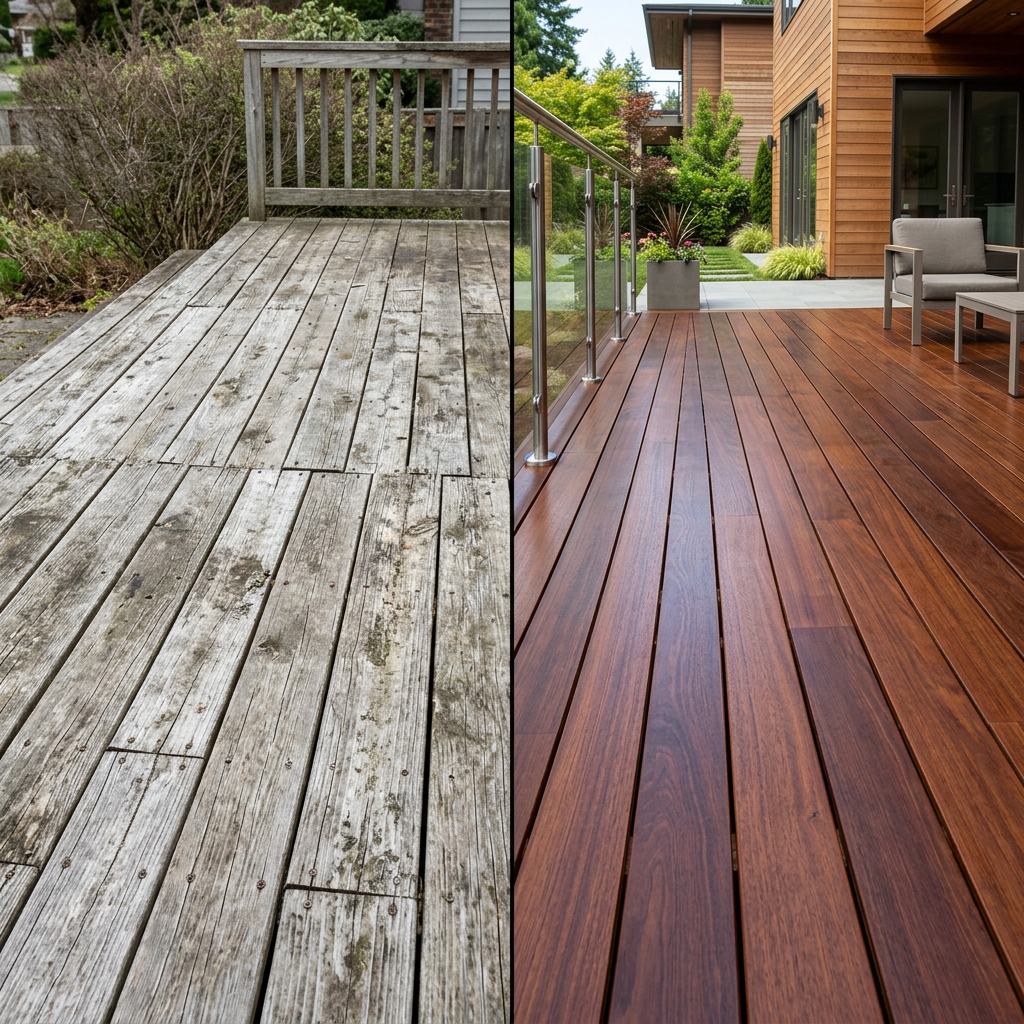
Why Pressure Treated Decking Costs More Than Ipe After Year 10
Explore why pressure treated decking costs more than Ipe after year 10. Understand the long-term costs involved in maintenance and replacement.
When considering decking materials, many homeowners are drawn to the seemingly low upfront costs of pressure treated lumber. However, after ten years, the true costs associated with maintaining pressure treated decking often surpass the initial savings compared to Ipe. This article will explore why pressure treated decking can end up costing more over time, focusing on maintenance, replacement, and shrinkage waste. We will detail the lifetime costs and provide insights to help you make an informed decision for your decking project.
Quick Summary
- High Initial Savings: Pressure treated decking is typically less expensive upfront.
- Maintenance Costs: Increased maintenance needs for pressure treated lumber lead to higher long-term costs.
- Longevity: Ipe decking can last 25+ years with minimal maintenance, while pressure treated lumber may need replacing or extensive treatment by year 10.
- Shrinkage Issues: Pressure treated wood can warp and shrink considerably, resulting in wasted materials.
- Recommended Choices: Opt for premium hardwoods like Ipe for long-term value.
What It Is / Definitions
Pressure Treated Lumber is wood that has been treated with chemical preservatives to protect it from rot, insects, and weather damage. These treatments increase the wood's lifespan but can lead to issues like warping and shrinkage as the wood dries.
Ipe is a type of tropical hardwood known for its durability, density, and natural resistance to rot and insects. With proper care, Ipe decking can last for decades without significant degradation.
Best Use Cases
- Pressure Treated Decking: Often used in lower-budget projects, in areas where aesthetics are secondary to cost, or for temporary structures where longevity is not a primary concern.
- Ipe Decking: Ideal for luxury projects, high-traffic areas, and locations where weather conditions are harsh. It is the preferred choice for homeowners and builders who prioritize long-lasting quality and aesthetics.
Clear Pros of Each Material
Pros of Pressure Treated Decking:
- Lower Cost: Initial purchase price is significantly less than Ipe, making it appealing for budget-conscious projects.
- Availability: Commonly available at home improvement stores, making it accessible for most homeowners and contractors.
Pros of Ipe Decking:
- Longevity: Ipe typically lasts 25+ years with minimal maintenance, dramatically reducing replacement costs over time.
- Natural Resistance: Ipe's resistance to rot, insects, and weather ensures that it maintains its integrity longer than treated lumber.
- Aesthetic Appeal: Ipe has an attractive appearance that increases the value of your property, making it an investment worth considering.
Clear Cons and Limitations
Cons of Pressure Treated Decking:
- Maintenance Requirements: Requires regular treatment with preservatives and sealants, which can add to the overall lifetime cost.
- Shrinkage and Warping: As pressure treated wood dries out, it may warp and shrink, leading to gaps and potential safety hazards.
- Limited Lifespan: Typically lasts 10-15 years before replacement is required, leading to higher overall costs compared to Ipe.
Cons of Ipe Decking:
- Higher Initial Cost: The upfront investment for Ipe can be significantly higher, which may deter some homeowners.
- Weight and Workability: Ipe is much denser and heavier than pressure treated wood, which can complicate installation.
Installation Considerations
When installing pressure treated decking, it's crucial to account for potential shrinkage and movement. Use proper techniques to allow for expansion and contraction during temperature fluctuations. Ensure that you follow local building codes for fasteners and joist spacing.
For Ipe decking, consider using grooved (hidden fastener) systems to enhance the aesthetic and help protect edges from moisture infiltration. Understand that Ipe requires pre-drilling to avoid splits during installation due to its density.
Common Mistakes and How to Avoid Them
- Overlooking Maintenance: Many homeowners forget that pressure treated decking needs regular maintenance, causing it to degrade faster.
- Improper Installation Techniques: Not allowing for expansion can lead to warping in both materials. Use appropriate fasteners and spacing for the climate.
- Choosing Based on Cost Alone: Focusing only on the initial cost can lead to overspending in the long run. Evaluate the total lifetime costs.
Cost Considerations
- Initial Costs: Pressure treated decking often costs about 50% less than Ipe.
- Maintenance Costs: Annually, homeowners can spend between $300-$800 on sealing and upkeep for pressure treated wood, while Ipe may only require minor cleaning and oiling every few years.
- Replacement Costs: After 10 years, the need for replacement and associated labor can greatly increase the total cost of ownership of pressure treated decking.
Maintenance and Longevity
Pressure treated decks require regular power washing, staining, and sealing to maintain their look and protect against decay. In contrast, Ipe decking is much easier to care for; a simple wash with soap and water, along with occasional oiling, is usually sufficient.
Real-World Recommendations
If you're planning a long-term outdoor project, we would recommend investing in Ipe decking. While the upfront cost may be higher, the reduced maintenance, longevity, and aesthetic value create a better return on investment. For temporary or budget-constrained projects, pressure treated may be suitable, but be prepared for the ongoing costs involved.
FAQ Section
Q: Why does pressure treated wood shrink?
A: Pressure treated wood is often saturated with moisture during the treatment process. As it dries, it can shrink and warp, especially if not protected with a sealant.
Q: How often should I replace my pressure treated decking?
A: Most pressure treated decks last between 10-15 years, depending on the climate, maintenance, and usage.
Q: Is Ipe wood worth the investment?
A: Yes, especially for outdoor projects, as its durability and low maintenance needs lead to long-term savings compared to cheaper alternatives.
Q: What type of fastener is best for Ipe?
A: Using stainless steel fasteners is recommended for Ipe to prevent rust and corrosion that could compromise the durability of the deck over time.
Conclusion
When evaluating decking options, it's essential to think long-term. While the initial financial savings of pressure treated wood are tempting, the cumulative costs associated with maintenance and premature replacements can make it a more expensive choice over time. Consider investing in Ipe decking for a durable, beautiful, and low-maintenance solution that ultimately saves you both money and time.
Request a Quote for Your Project today or Shop Grooved (Hidden Fastener) Decking to see our premium offerings!
Compare Your Options
See how different hardwood species and materials stack up for your specific needs.