.png?width=180&quality=75&format=webp)
Why Ipe Decking Is So Expensive: An In-Depth Breakdown
Explore the factors behind the high cost of Ipe decking, including harvesting, import costs, and quality grading. Understand its value for your outdoor projects.
When considering wood decking, you may find that Ipe decking carries a higher price tag compared to its alternatives. So why is Ipe decking so expensive? In this article, we will explore the various factors driving its cost, including supply chain issues, harvesting processes, import costs, and quality grading. Understanding these aspects can help buyers appreciate the value of Ipe decking and make informed decisions for their projects.
Quick Summary
- Ipe is a premium hardwood known for its durability and beauty.
- Factors influencing its higher cost include harvest and import logistics.
- Quality grading and sustainable harvesting add to its premium status.
- Proper installation will maximize the longevity and aesthetic of Ipe decks.
What Is Ipe Decking?
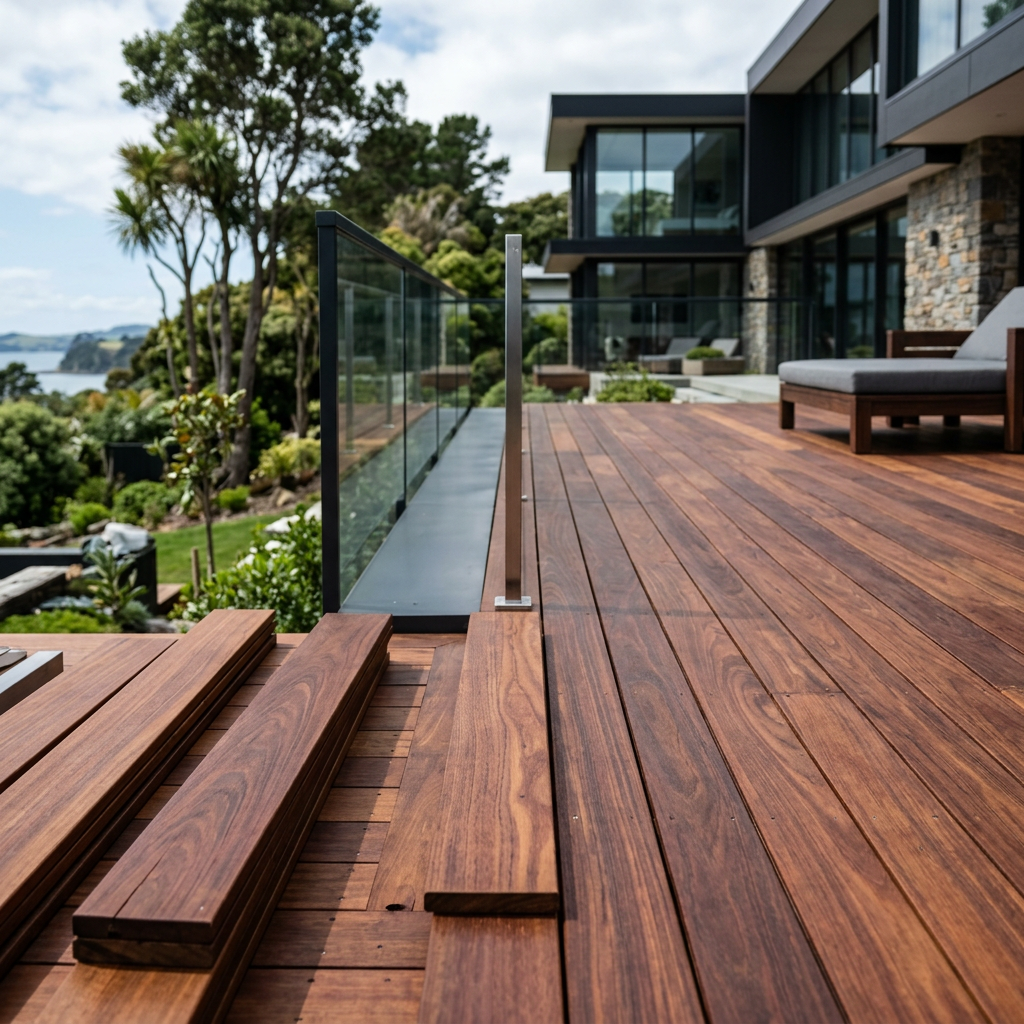
Ipe decking is made from Eucalyptus spp., specifically sourced from South America, particularly Brazil. Known for its dense, durable nature, Ipe has a rich color that can vary from brown to olive green. It is often used for outdoor applications due to its resistance to moisture, insects, and wear, making it a popular choice for decks, siding, and more.
Best Use Cases for Ipe
- Decking: Ideal for both residential and commercial outdoor spaces. Explore our Hardwood Decking options.
- Siding: Perfect for modern exteriors that require durability. See our Hardwood Siding options.
- Porch Flooring: Tongue & groove options are excellent for covered areas. Explore our Tongue & Groove Hardwood options.
- Fencing: Square edge boards provide both privacy and aesthetic appeal. Check our Hardwood Fencing solutions.
Pros of Ipe Decking
- Durability: Ipe is one of the hardest woods available, with a Janka hardness rating of 3680. This makes it incredibly resistant to wear and tear, ensuring longevity even in harsh weather conditions.
- Natural Resistance: Its natural oils protect against moisture and insects, reducing the need for chemical treatments and enhancing its lifespan.
- Low Maintenance: Ipe requires minimal maintenance. Its durability means it typically lasts for over 25 years with proper care, making it a long-term investment.
- Aesthetic Appeal: The rich colors and unique grain patterns of Ipe add a touch of elegance to any setting, appealing to both homeowners and builders.
- Sustainability: Ipe can be sourced from sustainable farms that practice responsible forestry, enhancing its appeal to environmentally-conscious buyers.
Cons and Limitations of Ipe Decking
- Cost: Ipe decking typically costs more than alternative woods due to its harvesting and import processes.
- Weight: Its density makes it heavier, which can complicate transportation and installation.
- Slippery When Wet: Ipe can become slippery when wet, making it important to consider texture options or surface treatments.
- Limited Availability: As an exotic hardwood, it may not be readily available in all regions, impacting both price and shipping times.
Installation Considerations
- Joist Spacing: Correct spacing (typically 16" on center) is crucial for Ipe decking to avoid warping and damage.
- Fasteners: Use high-quality stainless steel fasteners to prevent corrosion. Grooved decking allows for hidden fasteners, while square edge boards are face-screwed.
- Acclimation: Allow Ipe boards to acclimate before installation to minimize expansion and contraction issues. Consult our Wood Acclimation Guide for more details.
Common Mistakes and How to Avoid Them
- Inadequate Support: Ensure framing can support the density of Ipe. Insufficient support may lead to sagging.
- Incorrect Fastening: Failing to use appropriate fasteners can result in split or damaged boards. Review our guide on Hidden Fasteners & Ipe Clips.
- Neglecting Drainage: Plan for proper drainage to keep the deck surface dry and reduce slipperiness.
- Poor Finishing: Not finishing Ipe with oil or sealant can lead to graying and dullness over time.
Cost Considerations
The costs associated with Ipe decking can be broken down into several categories:
- Harvesting: Ipe trees take a long time to mature, leading to higher costs associated with their cultivation. Learn more about this in our Pricing & Cost Guide.
- Supply Chain: Transportation costs from South America add significantly to the price, especially if shipping by air or expedited methods is required.
- Import Duties: Tariffs and duties on exotic hardwoods also inflate overall costs.
- Quality Grading: Ipe is often graded based on color and grain patterns, with higher grades fetching a premium price.
- Installation Expenses: Due to its weight and specific installation requirements, labor costs can be higher for Ipe than for traditional decking materials.
Maintenance and Longevity
Ipe is known for its longevity and boasts a life expectancy of over 25 years with minimal maintenance. Regular cleaning and oiling can help maintain its color and appearance. It’s essential to clean debris regularly and consider applying a protective seal to maintain its vibrant hues.
Real-World Recommendations (What WE Would Do)
- Choose Quality Over Cost: Opt for higher-grade Ipe if your project warrants it; the aesthetic appeal and durability often justify the investment.
- Implement Best Practices: Follow best installation practices for the best long-term results. Consulting a professional for the installation may be prudent.
- Consider Seasonality: Purchase Ipe decking in the off-season to secure better rates and more availability.
FAQ Section
Why is Ipe decking so expensive compared to composite?
Ipe decking requires sustainable harvesting methods, specialized import logistics, and offers superior durability, all contributing to greater costs.
How can I maintain my Ipe decking?
Regularly clean your Ipe decking with a mild soap solution, and consider applying an oil every couple of years to maintain its color.
What type of fasteners should I use for Ipe decking?
Use stainless steel fasteners to prevent corrosion and ensure long-lasting connections.
Is Ipe decking worth the investment?
Yes, given its durability, aesthetic appeal, and low long-term maintenance costs, many homeowners and builders find Ipe to be a worthwhile investment.
Conclusion
Understanding why Ipe decking is so expensive involves recognizing the myriad factors at play, including harvesting practices, supply chain intricacies, and quality grading. However, the benefits of Ipe, from its natural beauty to its unparalleled durability, often outweigh the higher cost. If you’re considering Ipe for your next project, request a quote for your project or talk to a specialist to explore your options!
Get Accurate Pricing for Your Project
Use our calculators or request a custom quote based on your exact specifications.