.png?width=180&quality=75&format=webp)
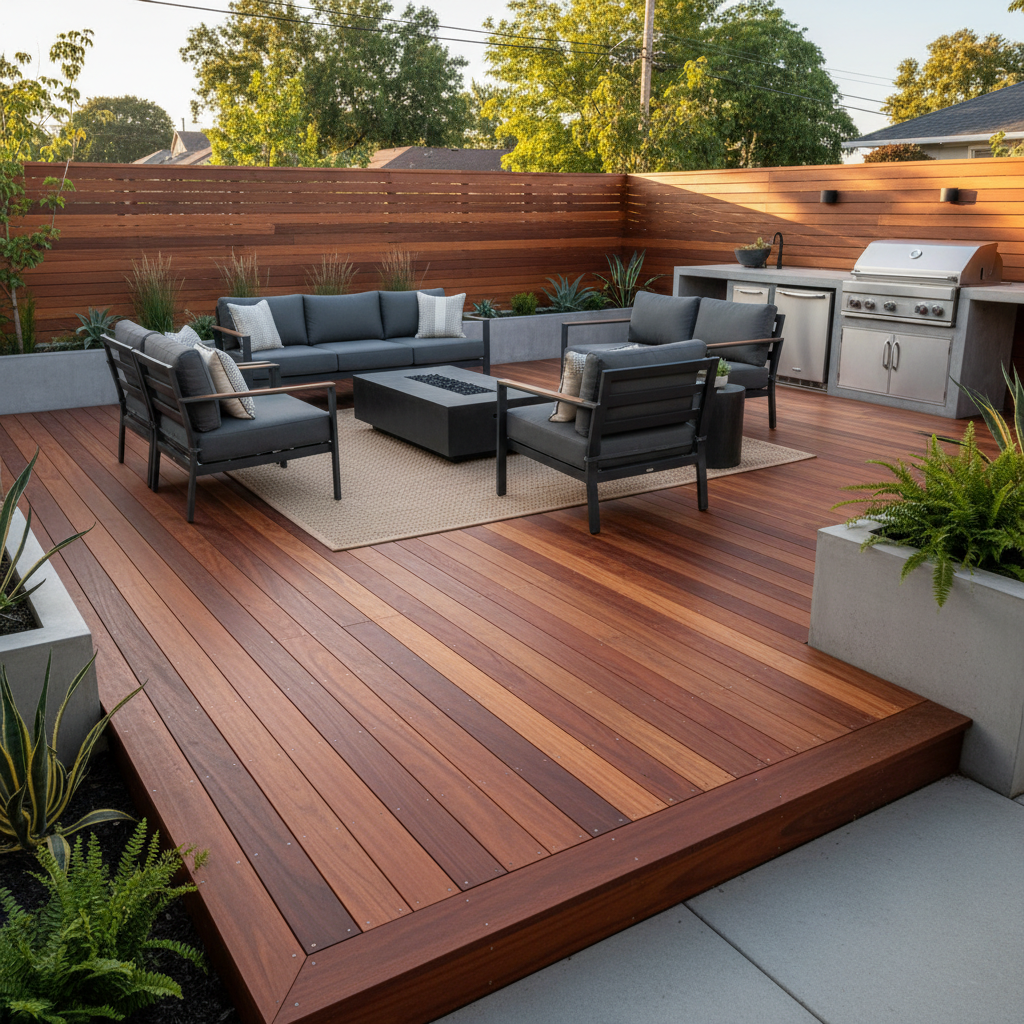
What is Massaranduba wood? Complete guide for decking buyers
Discover what Massaranduba wood is, its benefits, use cases, and installation tips for your decking project. This complete guide equips you with essential information.
Massaranduba wood, also known as Brazilian Red Oak, is a highly sought-after exotic hardwood primarily used for decking due to its incredible durability and rich appearance. This dense wood offers a deep reddish-brown hue that can enhance the aesthetic appeal of any outdoor space. In this guide, we’ll explore everything you need to know about Massaranduba wood, helping you make an informed choice for your decking project.
Quick Summary
- Massaranduba is a dense, durable hardwood native to South America.
- Excellent for exterior applications due to its natural resistance to moisture and insects.
- Requires specific installation and maintenance practices to maximize longevity.
- Typically, it lasts 25+ years with proper care.
- Considered a cost-effective option compared to other exotic woods.
What is Massaranduba Wood?
Massaranduba (Manilkara ussifera) is a premium hardwood harvested mainly from tropical forests in South America, particularly Brazil. Known for its density and strength, it is an ideal material for various applications, but it shines brightest in outdoor decking. The wood has a Janka hardness rating of approximately 2,400, making it one of the hardest woods available.
This wood species ranges in color from deep red to medium brown and has a fine, smooth texture. Its natural oils make it resistant to decay and insect damage, ideal for outdoor environments.
Best Use Cases
Massaranduba wood is versatile and well-suited for multiple applications, including:
- Decking: Its durability makes it a prime choice for outdoor decks.
- Fencing: Creates robust and attractive fences.
- Siding: Often used for shiplap or rainscreen applications, adding beauty and functionality.
- Porch Flooring: Ideal for tongue & groove (covered use only) porch flooring.
Clear Pros of Massaranduba Wood
- Exceptional Durability: Massaranduba is incredibly dense, which gives it excellent resistance to wear, making it suitable for high-traffic areas.
- Natural Resistance: This wood is naturally resistant to fungi, decay, and insects due to its high oil content, requiring less chemical treatment compared to softer woods.
- Aesthetic Appeal: Offers a stunning, rich color that darkens beautifully over time, enhancing the visual allure of outdoor spaces.
- Sustainable Sourcing: When harvested sustainably, it contributes positively to forest management practices.
Clear Cons and Limitations
- Cost: Massaranduba can be more expensive than common softwoods, so budget constraints may be a consideration for some homeowners.
- Weight: Its high density makes it heavier, which can complicate transport and installation.
- Limited Availability: Not as widely available as some other hardwoods, which may lead to longer lead times for orders.
- Installation Requirements: Needs specialized tools and techniques, especially for grooved (hidden fastener) installations.
Installation Considerations
To install Massaranduba wood properly:
- Acclimation: Allow the wood to acclimate to the environment for about a week before installation to prevent warping.
- Fasteners: Use stainless steel or other corrosion-resistant fasteners to prevent rust and staining.
- Joist Spacing: Follow proper joist spacing guidelines, usually 16" on center for standard deck boards.
- Layout: Plan the direction of the boards; diagonal layouts can add strength but require slip-resistant fasteners when using grooved boards.
Common Mistakes and How to Avoid Them
- Neglecting Acclimation: Failing to acclimate can lead to gaps and movement in the boards once installed.
- Incorrect Fastening: Using inappropriate fasteners can result in board splitting or corrosion.
- Ignoring Local Climate: Neglecting to consider local weather conditions can impact wood performance. Always check local building codes before installing.
Cost Considerations
While Massaranduba wood can be pricier upfront compared to standard options, it typically lasts longer and requires less maintenance. Average costs can range from $4 to $7 per linear foot, varying based on quality and dimensions.
Consider additional costs for installation materials, fasteners, and finishing products. However, the long lifespan—typically over 25 years—may offset initial costs.
Maintenance and Longevity
Massaranduba requires careful maintenance to keep its visual appeal and structural integrity:
- Regular Cleaning: Clear dirt and debris regularly using a gentle cleaner suitable for wood.
- Sealing: Apply a high-quality penetrating oil or sealer annually to maintain color and prevent graying.
- Inspection: Check for signs of wear or damage, particularly in high-traffic areas, and address promptly.
By following these maintenance steps, you can enjoy your Massaranduba deck for decades.
Real-World Recommendations
In our experience, for best results:
- Opt for grooved (hidden fastener) decking to achieve a cleaner look and avoid visible screws.
- Always prioritize sustainably sourced Massaranduba to support ethical timber practices.
- Consider local building codes when planning your installation for compliance and to ensure longevity.
FAQ Section
What is Massaranduba wood used for?
Massaranduba wood is primarily used for decking, fencing, siding, and porch flooring.
How durable is Massaranduba wood compared to other hardwoods?
Massaranduba is one of the hardest hardwoods available, typically outperforming many others like oak and maple in terms of durability.
How should I maintain Massaranduba wood?
Regular cleaning, sealing with a penetrating oil, and routine inspections are key to maintaining its beauty and longevity.
Can I install Massaranduba myself?
While it is possible to install Massaranduba as a DIY project, we recommend consulting with a professional for optimal results, especially regarding installation specifics for decking.
Ready to Start Your Hardwood Project?
Browse our selection of premium Brazilian hardwoods or talk to a specialist.