.png?width=180&quality=75&format=webp)
Hardwood vs Composite Deck Cost Over 25 Years: A Complete Comparison
Explore a detailed 25-year cost analysis comparing hardwood and composite decking. Understand maintenance needs, resale value, and aesthetic impacts.
Introduction
When deciding between hardwood and composite decking, a comprehensive analysis of total ownership costs over 25 years can shed light on the most suitable choice for your home. This post will compare these two materials specifically looking at maintenance, replacements, curb appeal, and resale value. Ultimately, the best decking material depends on your project requirements and investment horizon.
Quick Summary
- Hardwood decks typically have higher upfront costs but offer greater durability.
- Composite decks require more frequent replacement than hardwood in 25 years.
- Curb appeal is generally higher with hardwood decking, boosting property value.
- Maintenance costs may vary significantly through the years.
Definitions: Hardwood and Composite Decking
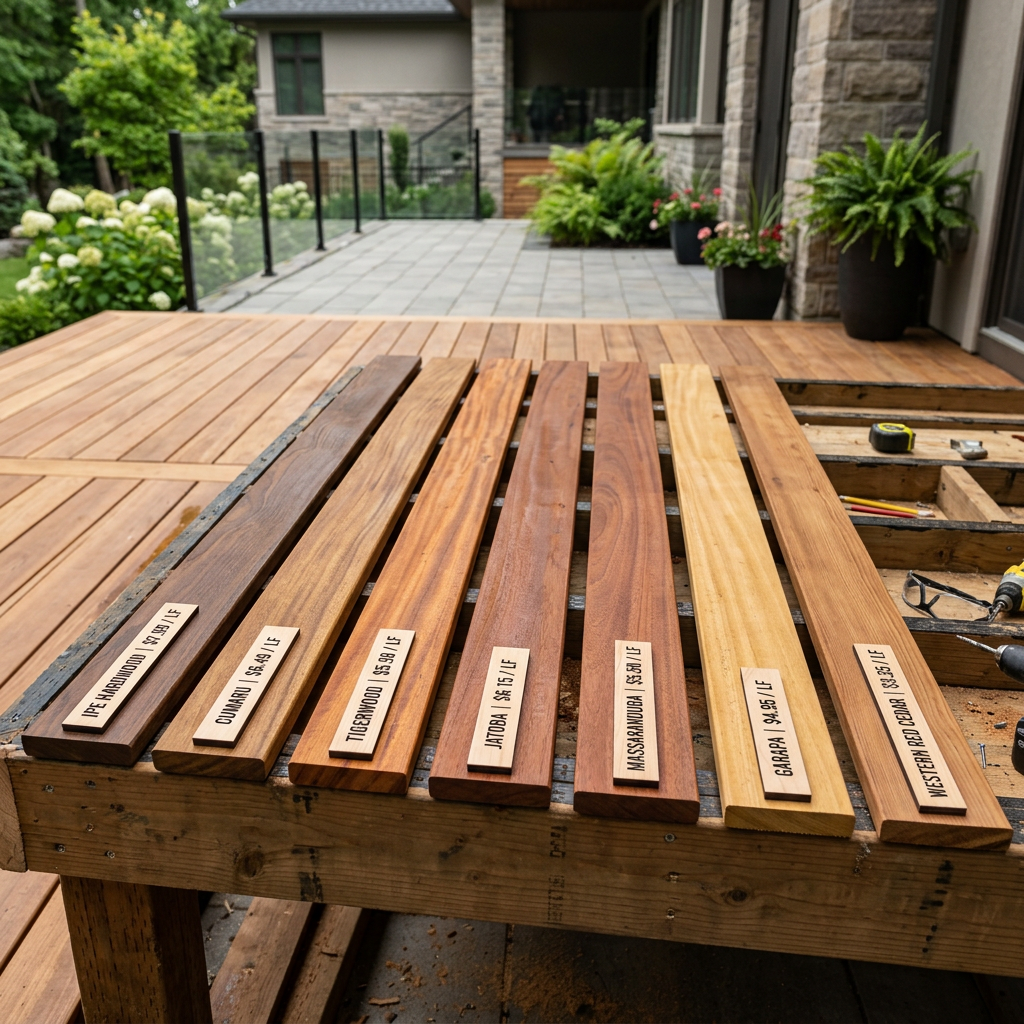
Hardwood decking refers to materials sourced from trees like Ipe, Cumaru, Tigerwood, and Garapa, renowned for their durability and aesthetic appeal. Composite decking, on the other hand, is made from a blend of recycled wood fibers and plastic, engineered to mimic the look of wood without some of its downsides. While both options serve the purpose of creating outdoor living spaces, their long-term costs and benefits differ significantly.
Best Use Cases
- Hardwood Decking: Ideal for high-end residential projects and homes located in areas with adverse weather conditions. Excellent for homeowners who prioritize aesthetics and durability.
- Composite Decking: Suitable for budget-conscious homeowners looking for lower upfront costs and less maintenance. Great for family homes where frequent wear occurs and aesthetics are secondary.
Pros of Hardwood Decking
- Durability: When properly maintained, hardwood decks can last 25 years or more, providing long-term value.
- Specific Detail: Ipe, for example, resists insects and decay due to its dense structure and natural oils.
- Aesthetics: The rich grains and colors of hardwood create an inviting ambiance that often enhances property value.
- Curb Appeal: Hardwood decks generally offer greater appeal due to their natural look, potentially increasing real estate value.
- Sustainability: Many hardwoods, especially those from a sustainable source, have a lower environmental impact compared to composites over their lifespan.
Cons of Hardwood Decking
- Cost: Upfront costs can be significantly higher than composite, often ranging from $25 to $35 per square foot.
- Maintenance Requirements: Regular cleaning, oiling, and sealing are necessary to maintain appearance and prevent weathering. Consider deck maintenance guides for best practices.
- Limited Availability: Premium hardwoods can be harder to source due to regulations and ecological concerns.
Pros of Composite Decking
- Lower Initial Costs: Typically ranges from $15 to $30 per square foot, making it an attractive option for budget-conscious homeowners.
- Easy Maintenance: Requires less upkeep than hardwood, often only needing soap and water for cleaning.
- Fade Resistance: Many composite brands offer fade-resistant technologies, ensuring colors last across the decades.
Cons of Composite Decking
- Durability Issues: While built to last, composites typically require replacement every 10 to 15 years, increasing long-term costs.
- Aesthetics: Although improvements have been made, composites still may not match the elegant appearance of natural wood.
- Environmental Concerns: Production can rely heavily on plastics, raising sustainability questions compared to natural hardwoods.
Installation Considerations
- Hardwood Decking: Installation can be complex, requiring knowledge of correct fastening methods and proper spacing for expansion. Consider grooved (hidden fastener) or square edge (face-screwed) options based on your preferences.
- Composite Decking: Easier to install in many cases due to lightweight nature; however, ensure proper joist spacing to prevent sagging or warping over time.
Common Mistakes and How to Avoid Them
- Choosing Low-Quality Materials: Always select premium hardwoods or reputable composite brands for longevity.
- Inadequate Preparation: Ensure the foundation and joist spacing are appropriate for your specific decking material to mitigate potential issues in durability.
- Neglecting Maintenance: Regularly scheduling maintenance work is essential for hardwood; neglect can lead to costly replacements earlier than expected.
Cost Considerations
Over a 25-year span, let's break down potential costs:
- Hardwood Initial Costs: Approx. $30,000 (for 1,000 square ft).
- Composite Initial Costs: Approx. $20,000 (for 1,000 square ft).
- Maintenance Costs (Hardwood): Estimated at $1,500 every 3-5 years, totaling around $10,000.
- Replacement Costs (Composite): Expect to spend roughly $15,000 on a potential second installation.
Thus, the comprehensive 25-year total for hardwood may approximate $40,000 versus $35,000 for composites, revealing that while hardwood has a higher initial cost, its longer life can offset initial advantages of composite decking.
Maintenance and Longevity
Hardwoods like Ipe and Cumaru require periodic maintenance every few years, including sanding and oiling to maintain their aesthetics. Composite materials are prone to staining and mold buildup, thus regular cleaning is recommended. The performance of hardwood decking typically exceeds that of composite in longevity, which often degrades more sharply after each replacement round.
Real-World Recommendations
If budget allows, prefer hardwood decking for a premium aesthetic and durability. For clients prioritizing short-term costs, composite is acceptable but expect to reinvest eventually.
FAQ Section
1. What is the average lifespan of hardwood vs composite decking?
Hardwood typically lasts 25 years or longer with proper care, while composite decking often lasts around 15 years before requiring replacement.
2. How much does maintenance cost for a hardwood deck?
Maintenance for hardwood can average $1,500 every 3-5 years, which includes cleaning, sealing, and repairs.
3. Is composite decking really cheaper than hardwood?
Though composite decking has lower initial purchase costs, its durability and replacements can equalize or exceed the total costs over time.
4. Can hardwood decking increase my home’s resale value?
Yes, hardwood decking can enhance the curb appeal, potentially increasing resale value compared to composite decking.
Conclusion
In conclusion, while both hardwood and composite decking have their benefits, selecting the right material will depend on your long-term goals and initial investment ability. For those looking for durability and beauty, hardwood decks are often the superior option. Request a Quote for Your Project or Talk to a Specialist at Ipe Woods USA to begin your outdoor enhancement journey!
Compare Your Options
See how different hardwood species and materials stack up for your specific needs.