.png?width=180&quality=75&format=webp)
Garapa Decking Complete Buyers Guide for Homeowners and Builders
Discover everything you need to know about Garapa decking in this complete buyer's guide. From pros and cons to installation tips and maintenance advice, we've got you covered.
Introduction to Garapa Decking
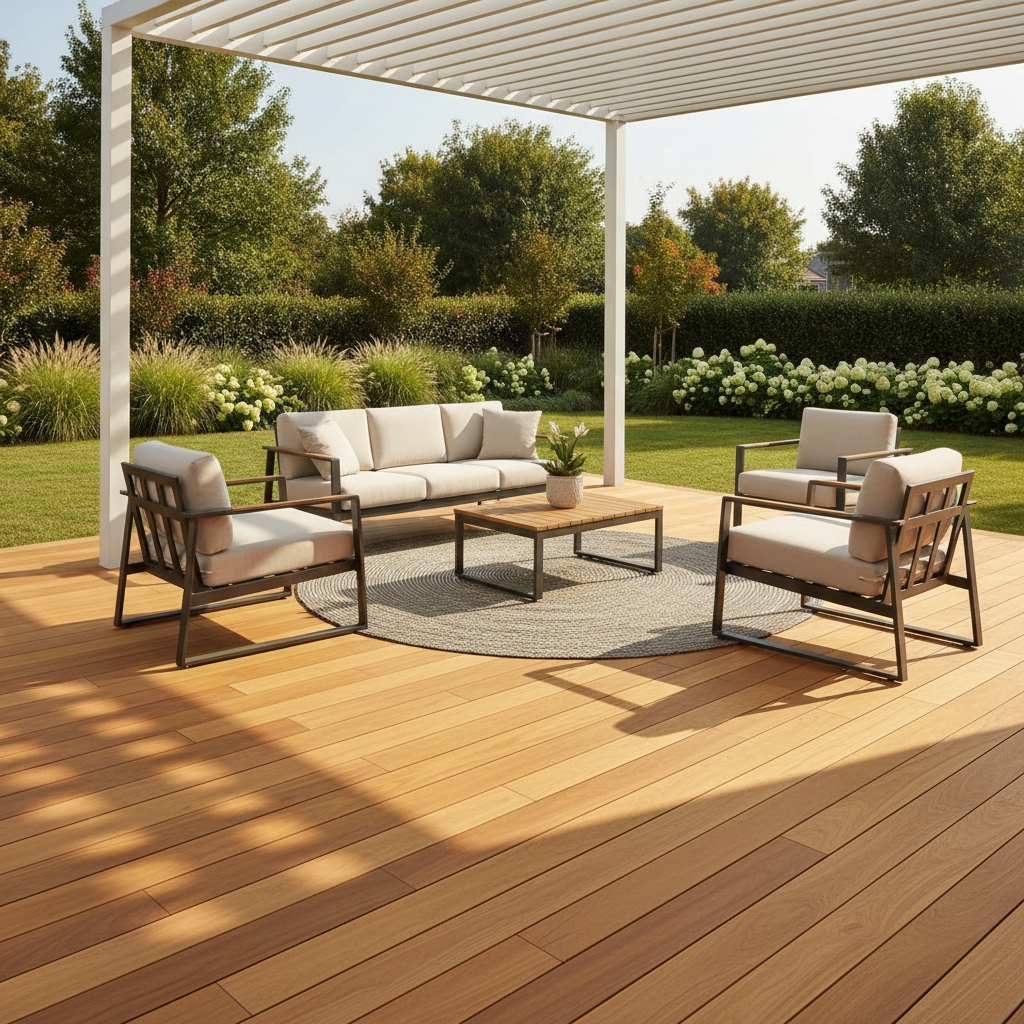
Garapa decking is increasingly becoming a preferred choice for decking solutions among homeowners and contractors alike. It is a premium exotic hardwood that offers a beautiful golden hue, exceptional durability, and resistance to environmental factors. In this complete buyer’s guide on Garapa decking, we’ll walk you through everything you need to know, from its characteristics and best applications to installation tips and maintenance advice.
Quick Summary
- Garapa decking is durable, stunning, and low-maintenance.
- It’s best suited for outdoor decks, boardwalks, and other exterior applications.
- Installation can be done with either square edge or grooved profiles.
- Budget considerations should be discussed upfront to avoid unexpected costs.
- Regular maintenance ensures longevity and aesthetics of Garapa wood.
What is Garapa Decking?
Garapa, also known as Brazilian Ash (Apuleia leiocarpa), is a golden-brown hardwood sourced primarily from South America. Known for its high oil content, Garapa is naturally resistant to decay, insects, and moisture. Its straight grains and uniform texture also contribute to its elegant appearance, making it a favored choice in high-end outdoor projects.
Best Use Cases for Garapa Decking
Garapa decking is versatile and can be used in various applications:
- Residential Decks: Perfect for patios, balconies, and garden decks.
- Commercial Properties: Suitable for boardwalks, restaurants, and parks.
- Outdoor Structures: Great for pergolas and raised platforms.
- Terraces and Roof Decks: Ideal due to its lightweight and high durability.
Pros of Garapa Decking
- Durability: With proper installation, Garapa can last 25 years or more. Its natural resistance to decay means it withstands harsh weather conditions better than many alternatives.
- Aesthetic Appeal: The warm tones and fine grain of Garapa enhance the beauty of any outdoor space, offering a sophisticated look.
- Low Maintenance: Compared to softwoods, Garapa requires minimal upkeep. Regular cleaning and occasional oiling help maintain its luster.
- Eco-Friendly: Sourced sustainably, Garapa is a responsible choice for environmentally conscious buyers.
Cons and Limitations
- Cost: Garapa decking tends to be on the pricier side compared to other materials like pressure-treated pine.
- Availability: Depending on your region, Garapa may not be as readily available as more common hardwoods.
- Working Characteristics: Some contractors note that Garapa can be more challenging to work with due to its density, requiring sharper tools and more effort in cutting and drilling.
Installation Considerations
When installing Garapa decking:
- Profile Type:
- Square Edge (Face-Screwed): Provides a traditional look with visible fasteners, ideal for DIY homeowners.
- Grooved (Hidden Fastener): Offers a sleek appearance with no visible screws, perfect for a modern aesthetic.
- Joist Spacing: Ensure adequate joist spacing—typically 16 to 24 inches on center—to provide proper support and prevent sagging.
- Fasteners: Use stainless steel or corrosion-resistant fasteners to prevent rusting over time.
- Expansion Gaps: Allow for expansion and contraction by maintaining appropriate gaps between boards.
Common Mistakes and How to Avoid Them
- Ignoring Moisture Conditions: Always allow the wood to acclimate to the environment before installation.
- Improper Sizing of Gaps: Make sure to check for necessary spacing; too tight can lead to warping.
- Incorrect Fastener Selection: Choose the right fastener type to avoid wood splintering and ensure longevity.
Cost Considerations
Garapa decking starts from $2.90 per linear foot, with prices varying by size and profile. Visit the Ipe Woods USA pricing page for current live pricing on all Garapa products. Expect additional costs for installation, hardware, and finishing products. It's wise to budget 10-15% additional materials to accommodate cuts and waste during installation.
Maintenance and Longevity
To ensure the longevity of Garapa decking:
- Clean regularly with mild soap and water to avoid dirt buildup.
- Apply a high-quality wood oil or finish every year to protect against UV damage and maintain color.
- Inspect for signs of wear, such as splintering or discoloration, and address immediately.
Real-World Recommendations
For optimal performance, we recommend:
- Installation Type: Go for grooved (hidden fastener) profiles for a cleaner look and better protection against damage.
- Environmental Consideration: Use eco-friendly oils or finishes for maintenance to keep your decking sustainable.
- Long-Term Care: Have a maintenance plan in place to clean and seal your decking regularly.
FAQ Section
1. Is Garapa decking durable?
Yes, Garapa is highly durable and can last 25 years or more with proper installation and maintenance.
2. How often should I maintain my Garapa deck?
Regular cleaning is advised at least once a year, and re-oiling is recommended annually to maintain its appearance and protect the wood.
3. Can Garapa decking be installed in wet climates?
While Garapa is resistant to moisture, proper installation techniques must be followed to ensure drainage and ventilation in wet climates.
4. What are common alternatives to Garapa decking?
Common alternatives include Ipe, Cumaru, and recycled composite decking, each with its own advantages and disadvantages.
Conclusion
Garapa decking is a stunning and durable choice for anyone looking to enhance their outdoor spaces. When you choose Garapa, you’re investing in a product that combines beauty with longevity. For accurate pricing, installation guidance, and to explore your options, we invite you to Request a Quote for Your Project or Talk to a Specialist today!
Keep Your Deck Looking Its Best
Shop our recommended oils, cleaners, and finishing products for hardwood deck care.